
Barbula unguiculata
Barbula unguiculata
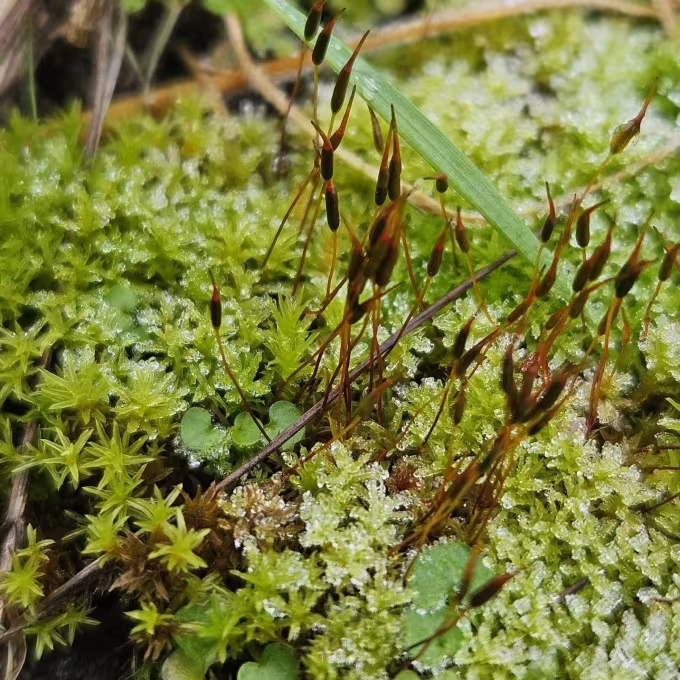
Description
Growing requirements
Barbula unguiculata is a common moss species belonging to the family Pottiaceae. While not a commercial agricultural crop, it is a frequent inhabitant of disturbed agricultural landscapes and natural ecosystems throughout the Northern Hemisphere.
This moss species thrives in environments with exposed soil, preferring moist but well-drained substrates. It is commonly found on alkaline soils, limestone, and compacted ground where it can colonize areas that are unsuitable for larger vegetation.
Botanically, it forms small, tufted cushions typically ranging from 5 to 20 mm in height. Its leaves are distinctively shaped with a nerve ending in a short point, which provides the species its common name. The plant is drought-tolerant, capable of entering dormancy during dry spells.
From an agronomic perspective, the presence of Barbula unguiculata in fields can serve as an indicator of soil compaction. Its growth habit helps stabilize the soil surface, acting as a natural barrier against erosion in fallow or non-tilled agricultural sectors.
While having no direct economic use in farming, its role in bryology is significant as it demonstrates the resilience of mosses in human-modified landscapes and their ability to occupy niches overlooked by vascular plants.
Main diseases and pests
Intensive tillage practices, such as plowing and harrowing, are the primary limiting factors for the expansion of Barbula unguiculata populations in agricultural settings.
Shade competition from densely planted crop canopies inhibits the growth of this moss, as it requires adequate light penetration to maintain its metabolic processes and reproductive cycle.
Chemical weed control programs often result in the incidental destruction of moss colonies, as many herbicides interfere with the development of non-vascular plant tissues.
There are no significant pests associated with this species that would impact agricultural productivity, given its status as a non-commercial moss.
Pathogenic fungi typically do not pose a serious threat to these moss colonies, as they have evolved to exist in varied, often harsh environmental conditions with limited risk of mass die-off.