
Barbula convoluta
Barbula convoluta
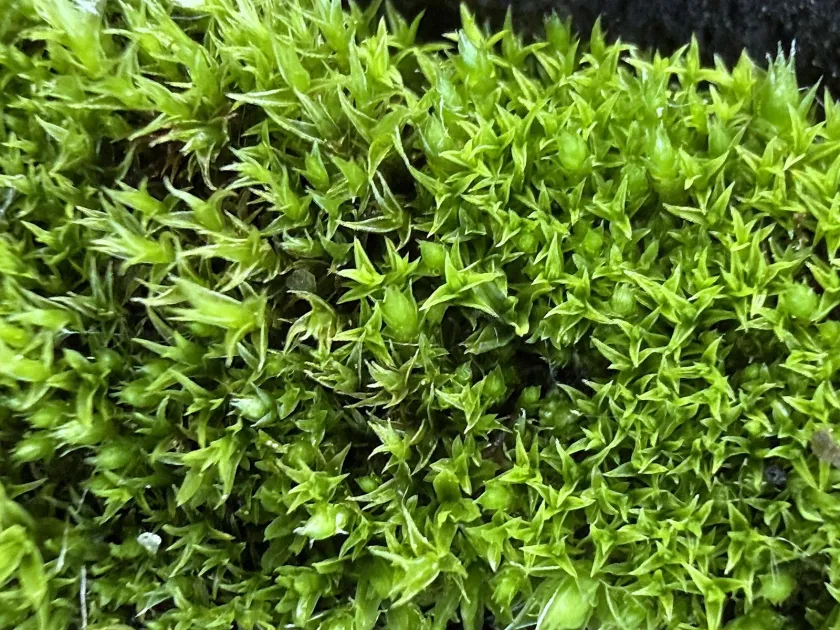
Description
Growing requirements
Barbula convoluta is a species of moss belonging to the Pottiaceae family, known for its ability to colonize disturbed and open substrates. It is widely recognized in ecological studies as a pioneer species capable of establishing itself in harsh environments.
This species is globally distributed, found across temperate and arctic regions of the Northern Hemisphere. It thrives in various habitats, ranging from mineral-rich soils to road embankments, showing a strong preference for calcareous and neutral soil conditions.
Climate adaptation is a key feature of Barbula convoluta, as it demonstrates significant tolerance to periodic desiccation. During dry spells, the leaves curl tightly around the stem, a mechanism that allows the plant to survive without permanent cellular damage.
Botanically, it forms dense mats or tufts that vary in color from pale to yellowish-green. The structure of the stem and leaves is specifically adapted for efficient water absorption from atmospheric moisture, reducing dependency on ground-level water sources.
From an agricultural standpoint, while not a cultivated crop, its presence is significant for soil stability. It acts as a natural mulch, protecting the surface from wind and water erosion while contributing to the organic matter cycle in the top layer of the earth.
Main diseases and pests
The primary threat to Barbula convoluta in an agricultural context is intensive soil cultivation. Practices such as plowing and harrowing destroy the delicate moss colonies, leaving the soil surface bare and susceptible to wind-driven degradation.
Chemical control methods, particularly the use of systemic herbicides, prove fatal to this species. Because mosses lack the complex vascular systems of higher plants, they are often sensitive to the chemical interference caused by standard farm maintenance products.