
Pyrrosia longifolia
Pyrrosia longifolia
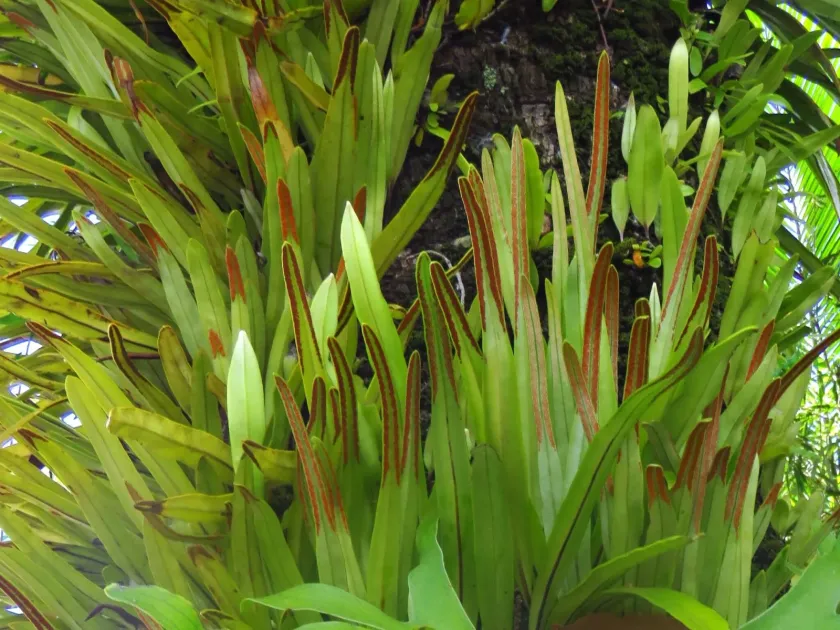
Description
Growing requirements
Pyrrosia longifolia is a fascinating fern species belonging to the Polypodiaceae family. Native to tropical regions of Southeast Asia and Oceania, it typically grows as an epiphyte, colonizing tree trunks and branches in moist forest environments.
To cultivate this fern successfully, one must replicate its natural habitat. The plant requires high humidity levels, ideally above 60%, and a consistent temperature range between 20°C and 26°C to maintain vigorous growth throughout the year.
The choice of growing medium is crucial. A well-draining, coarse substrate composed of orchid bark, sphagnum moss, and perlite is recommended to ensure adequate airflow around the rhizomes and prevent suffocation of the root system.
Regarding light, Pyrrosia longifolia thrives in bright, indirect light conditions. While it is more tolerant of drought than many other ferns due to its thick, leathery fronds, protection from harsh, direct midday sun is necessary to prevent leaf scorching.
Cultural maintenance involves frequent misting and consistent, careful watering. It is essential to allow the surface of the substrate to dry slightly between waterings, ensuring that the plant never sits in standing water to avoid root rot.
Main diseases and pests
Common pests include scale insects and spider mites, which can infest the underside of the fronds. Regular inspection and maintaining high atmospheric humidity are the best preventative measures.
Fungal pathogens may emerge if air circulation is poor or if the substrate remains waterlogged for extended periods, leading to rhizome necrosis and rapid plant decline.