
Dragon's scale fern
Pyrrosia piloselloides
Description
Growing requirements
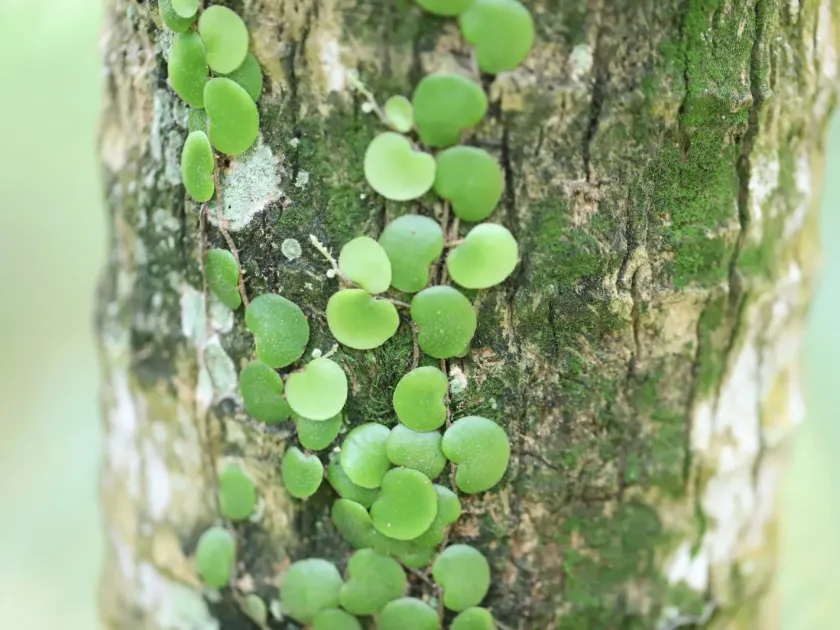
Pyrrosia piloselloides, commonly known as the Dragon's scale fern, belongs to the Polypodiaceae family. This species is an epiphytic fern native to the tropical forests of Southeast Asia, where it grows on tree trunks and rocky surfaces.
The plant requires high humidity levels, ideally maintained between 70% and 80%. It thrives in shaded or semi-shaded environments, as intense solar radiation can easily damage the delicate fronds of the fern.
For optimal growth, the growing medium should be well-draining, mimicking the natural bark environment. A mixture of pine bark, charcoal, and sphagnum moss provides the necessary aeration and moisture retention for the root system.
Temperatures should be kept stable within the 20°C to 28°C range. The plant is sensitive to sudden cold snaps and drafts, which can cause significant stress and lead to the shedding of fronds or decay of rhizomes.
Routine care involves consistent, light watering and occasional fertilization with specialized epiphytic plant nutrients. Propagation is achieved through the division of the creeping rhizome during the spring season.
Main diseases and pests
Overwatering is the primary cause of plant death in cultivation, as it leads to root rot and fungal infections. Ensuring proper drainage is essential for maintaining the health of the rhizomes in any setup.
Common pests include scale insects and mealybugs, which tend to hide in the dense foliage. Spider mites can also become a problem if the ambient air remains too dry for an extended period, requiring active mitigation.
To control pest populations, systemic insecticides or horticultural oils may be used. Fungal pathogens are managed through proper air circulation and the application of suitable fungicides when symptoms first appear.
The economic value of this plant lies in its traditional medicinal applications and its niche in the ornamental horticulture market. Locals have used its leaves to create poultices for wound healing and skin treatments.
Harvesting for medicinal use requires careful handling to ensure the integrity of the rhizomes and leaves. Post-harvest, the material is dried under shade to preserve its secondary metabolites and medicinal efficacy.