
Pyrrosia angustata
Pyrrosia angustata
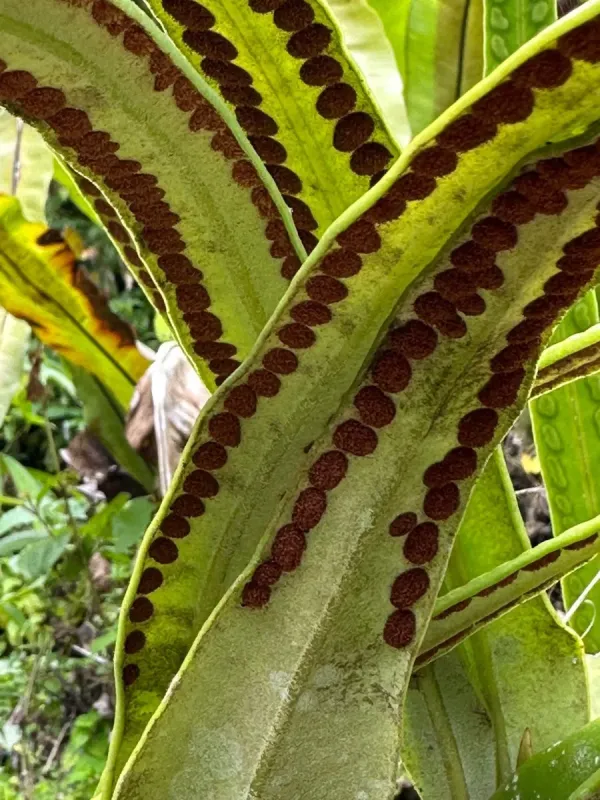
Description
Growing requirements
Pyrrosia angustata is a distinct epiphytic fern species belonging to the Polypodiaceae family. Native to the tropical regions of Southeast Asia, this plant primarily inhabits tree trunks and rocky crevices in dense, humid forests. Its narrow, leathery fronds are adapted to survive in varying humidity levels common in its natural range.
Regarding climate requirements, this fern thrives in environments with steady temperatures, ideally between 20°C and 25°C. It is sensitive to extreme cold and excessive heat. To maintain its health, it requires bright, indirect light, as direct sunlight can easily damage the chlorophyll-rich tissues of its foliage.
The choice of soil is vital for the successful cultivation of Pyrrosia angustata. As an epiphyte, it demands a medium that mimics its natural habitat: highly porous, aerated, and moisture-retentive but never soggy. A blend of orchid bark, perlite, chopped sphagnum moss, and horticultural charcoal serves as the best substrate.
Humidity management is a core component of proper agrotechnics for this species. Sustaining a relative humidity of 65% to 75% is recommended to ensure robust growth. Regular misting and adequate air circulation prevent leaf desiccation and promote efficient gas exchange through the stoma located on the fronds.
Basic care includes moderate watering during the active growth season, typically from spring through early autumn. It is crucial to use soft or filtered water, as the roots are intolerant of heavy salt buildup from tap water. During the dormant winter months, water application should be significantly reduced to allow the plant a resting period.
Main diseases and pests
The most common threat to Pyrrosia angustata is root rot, triggered by over-watering or poor drainage. Excess moisture in the substrate leads to the breakdown of the root system and the rapid development of fungal pathogens. Correcting the watering schedule is the only way to save a plant once symptoms appear.
Spider mites represent a major pest risk, especially in environments where humidity levels are allowed to drop too low. These microscopic pests feed on the cell contents of the fronds, leading to stippling and eventual leaf drop. Increased humidity and periodic misting serve as effective preventative measures against infestations.
Scale insects and mealybugs can also infest this fern, finding refuge in the crevices of the rhizome or the underside of the leaves. Manual removal is often the first step in management, followed by the application of horticultural soaps or systemic insecticides to eliminate surviving colonies and protect the plant.
Nutrient deficiency or toxicity from mineral salts can affect the plant’s appearance, manifesting as chlorosis or burnt leaf margins. To mitigate this, a balanced, highly diluted liquid fertilizer should be applied sparingly during the active growth phase, ensuring the substrate is flushed with fresh water periodically.
Routine inspection of the plant is essential to catch early signs of distress. By monitoring for pests and diseases, and by strictly adhering to the recommended agrotechnical parameters, growers can maintain this fern in a healthy and vigorous state for many years, preserving its unique aesthetic value.