
Salomonia ciliata
Salomonia ciliata
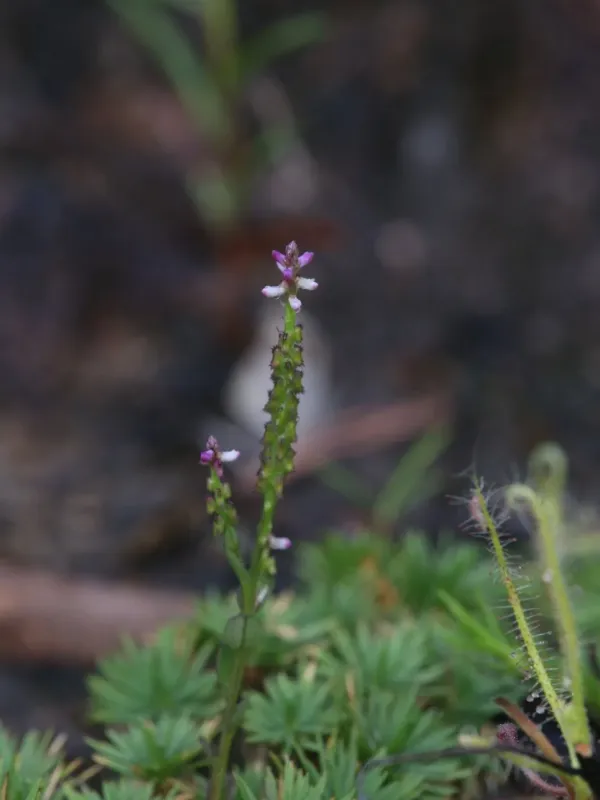
Description
Growing requirements
Salomonia ciliata is an annual herbaceous plant belonging to the Polygalaceae family. It is primarily native to the tropical regions of Asia, where it is found in habitats characterized by high moisture levels and specific soil profiles.
This plant typically inhabits wetlands, rice paddy edges, and marshy areas. Its growth habit is adapted to areas where water availability is consistent throughout the growing season, making it a specialized plant in its native range.
Climatic requirements are strictly tropical, necessitating warm temperatures usually ranging between 22 and 30 degrees Celsius. The plant does not tolerate frost or low-temperature stress, which causes immediate growth cessation and potential plant mortality.
Soil requirements for optimal development include a nutrient-rich, moist, and slightly acidic medium. Adequate aeration is crucial to prevent root zone suffocation, although the plant thrives in conditions that would cause root rot in other species.
In a cultivation setting, it is essential to manage light exposure. While it requires bright conditions, moderate shading during the hottest part of the day can improve foliage health and prevent dehydration of the delicate leaf tissues.
Main diseases and pests
Common threats to Salomonia ciliata include various fungal pathogens that target the root system, especially when soil moisture levels are not managed correctly. Over-saturation can lead to rapid decay of the plant structure.
Pests such as aphids and spider mites are frequent invaders of the foliage. These insects feed on the plant sap, causing leaves to curl, yellow, and lose their photosynthetic capacity, which directly impacts the plant's overall vigor.
Foliar diseases, including leaf spots, are prevalent under high humidity. These infections spread rapidly within dense populations, making proper spacing a critical component of disease management in agricultural applications.
Soil-borne nematodes represent a significant challenge, particularly in monoculture farming systems. These pests cause systemic damage to the roots, leading to stunted growth and nutrient deficiencies despite adequate fertilization.
Integrated pest management strategies are recommended, combining biological controls with targeted chemical interventions when necessary. Maintaining site hygiene and removing debris are fundamental practices to reduce the pressure from these biotic stressors.