
Salomonia cantoniensis
Salomonia cantoniensis
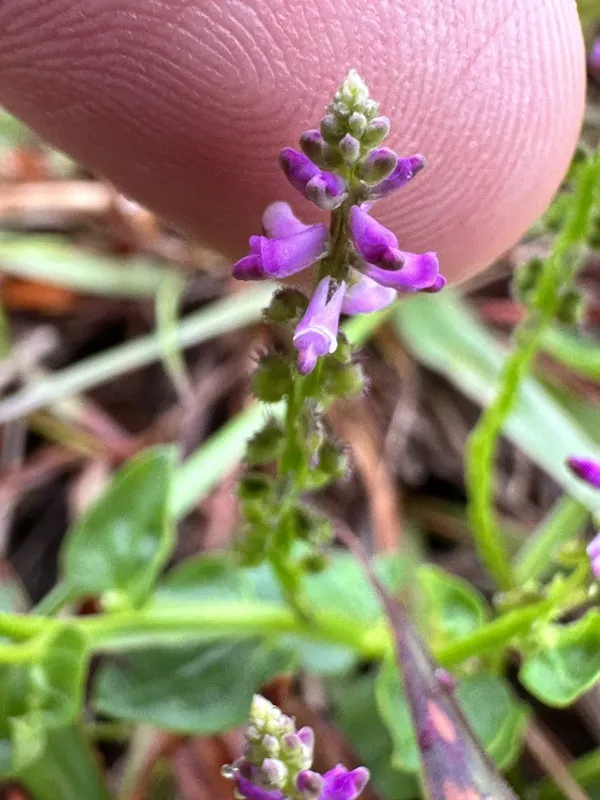
Description
Sowing dates
Salomonia cantoniensis is an annual herb that belongs to the Polygalaceae family. This species is typically cultivated in tropical and subtropical climates, where it thrives during the peak of the rainy season due to its specific moisture requirements.
The sowing process begins with the preparation of fine, well-aerated soil. Seeds should be sown very shallowly, as they are minute and require adequate light exposure to trigger germination processes effectively.
Maintaining consistent soil moisture is crucial during the germination phase, which usually lasts for two to three weeks depending on ambient temperatures. Farmers often use light mulch or shade covers to prevent soil crusting and dehydration of the delicate seeds.
Row spacing is generally set between 20 and 30 centimeters, which allows for sufficient airflow and eases the subsequent manual or mechanical weeding processes required during the early stages of plant development.
Once established, the seedlings develop rapidly. Proper spacing also helps to mitigate the risk of pathogen accumulation, ensuring that each plant has sufficient access to nutrients and light throughout its life cycle.
Growing requirements
Salomonia cantoniensis grows best in nutrient-rich, well-drained loamy soils. While it appreciates moisture, it is highly intolerant of waterlogging, which necessitates careful site selection and the installation of effective drainage systems in regions with heavy rainfall.
The plant requires high levels of solar radiation but benefits from slight shading during the hottest parts of the day to prevent transpiration stress. This balance is vital for maximizing biomass production and ensuring high crop quality.
Optimal growth occurs at temperatures between 22°C and 30°C. The species is sensitive to cold snaps and high wind speeds, which can damage the fragile stems and reduce the overall yield of the crop.
Regular maintenance involves cultivating the soil around the plants to improve aeration. Supplemental irrigation should be applied sparingly, focusing on the root zone to prevent fungal infections associated with wet foliage.
Fertilization strategies usually focus on balanced NPK applications to support leaf development. However, excessive nitrogen should be avoided as it may make the plants more susceptible to sucking insects and fungal issues.
Main diseases and pests
Root rot is the most common threat for Salomonia cantoniensis, particularly when soil moisture management is inadequate. Preventive measures include crop rotation and the use of fungicide-treated seeds in endemic areas.
Sucking insects, including aphids and spider mites, pose significant challenges to the plant's health. Early intervention with biological control agents or insecticidal soaps can prevent large-scale infestations that could devastate the crop.
Weed control is essential during the first month of cultivation, as the young plants are slow to develop canopy cover. Without weeding, competitive plants can easily overshadow the crop, leading to stunted growth.
Slugs and snails can cause considerable damage to juvenile seedlings. Installing physical barriers or utilizing iron phosphate baits can help manage these pests effectively without harming the crop quality.
Finally, maintaining healthy soil health through organic amendments can enhance the plant's natural resilience to biotic stresses. Regular monitoring of the leaf surface is the best way to detect early signs of any pathological infection.