
Common milkwort
Polygala vulgaris
Description
Growing requirements
Common milkwort (Polygala vulgaris) is a herbaceous perennial plant that belongs to the Polygalaceae family. It is native to Europe and western Asia, typically inhabiting grasslands, meadows, and scrubby areas.
The plant thrives in temperate climates and requires plenty of sunlight for optimal flowering and chemical development. It prefers neutral to slightly alkaline, well-drained loamy soils that are rich in organic matter.
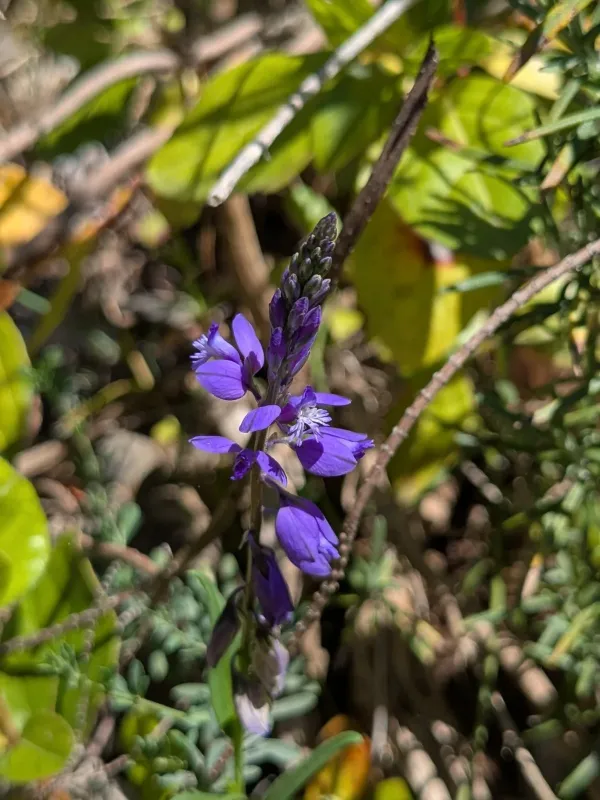
Botanically, it features a stout taproot and stems that grow up to 30 centimeters in height. Its leaves are lanceolate, and its flowers, which vary in color from blue and purple to occasionally white, are arranged in terminal racemes.
In terms of cultivation, it requires careful soil management to prevent moisture stagnation. As a commercial crop, it is generally managed in small-scale medicinal herb plots rather than large industrial fields.
The primary economic use of this species is medicinal. The roots are known to contain various saponins, which are utilized for their expectorant properties in traditional and formal phytotherapy.
Main diseases and pests
The crop is susceptible to fungal diseases such as powdery mildew, especially if planted in areas with poor air circulation or high humidity levels.
Root rot is a major threat if soil drainage is inadequate, leading to plant decay during periods of heavy or persistent rainfall.
Common pests include aphids, which often cluster on the stems, and various larvae that may feed on the foliage during the summer months.
Integrated pest management strategies are recommended, focusing on maintaining plant health through proper spacing and soil aeration.
Growers should monitor for signs of chlorosis, which may indicate imbalanced soil pH or nutrient deficiencies that weaken the plant's resistance to pathogens.