
Lessertia brachystachya
Lessertia brachystachya
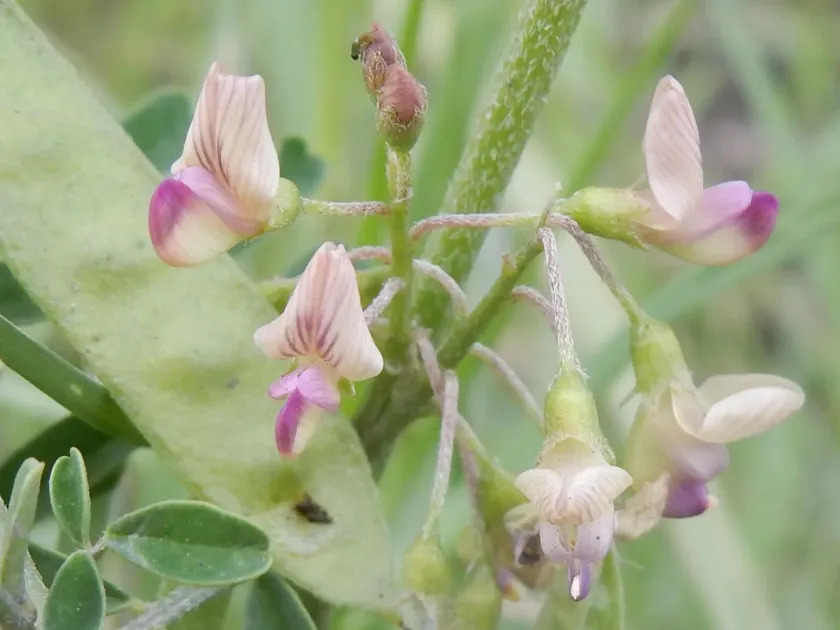
Description
Growing requirements
Lessertia brachystachya is a resilient herbaceous perennial belonging to the legume family (Fabaceae). This species is well-recognized for its remarkable capacity to survive in harsh, arid, and semi-arid environments where other forage crops struggle to establish.
The plant originates from the arid regions of Southern Africa. It is highly adapted to low-rainfall regimes, utilizing its deep and complex root system to tap into limited moisture reserves hidden within the soil profile.
Regarding soil requirements, this species thrives best in well-drained, sandy, or loamy soils. It acts as an important nitrogen-fixing agent, building up soil fertility through its symbiotic relationship with rhizobia bacteria.
Climate preferences include high light intensity and warm temperatures. While it can withstand extreme heat, it is sensitive to waterlogging, which can rapidly deteriorate its root system and overall plant health.
Agronomic management is relatively straightforward. The most critical phase is the establishment stage, where seedlings must be protected from competitive weeds to ensure they develop the necessary root depth for survival.
Yield
The primary agricultural use of Lessertia brachystachya is as high-quality forage for livestock. Its foliage remains nutritious even during the drier months, providing an essential protein source for grazing ruminants.
The plant demonstrates excellent regrowth capability after grazing, making it highly suitable for sustainable pastoral systems. It serves as a reliable feed reserve in regions prone to seasonal droughts and climate instability.
Livestock producers value the species not only for its nutritional profile but also for its palatability. Animals readily consume the biomass, which supports healthy growth rates and general reproductive fitness in cattle and small ruminants.
Beyond livestock feeding, the plant is a significant tool in soil conservation. It effectively stabilizes loose soils, acting as a windbreak and a barrier against water erosion, which is vital for maintaining the productivity of semi-arid rangelands.
The annual yield of biomass is highly dependent on grazing frequency and regional moisture. Sustainable harvesting schedules are recommended to maximize long-term productivity and ensure the plant maintains its vigor across seasons.
Main diseases and pests
Diseases affecting this species are mostly linked to environmental stress, particularly excessive humidity or poor soil drainage. Root rots and crown infections are the most common pathologies observed in overly wet conditions.
Insect pests represent a localized challenge, particularly those that target the reproductive cycle. Seed-boring insects and pod-feeding larvae can significantly reduce the potential for natural reseeding, impacting stand density.
Mitigation strategies primarily involve pasture rotation and controlled grazing intensity. By preventing overgrazing, the plants are better able to retain their natural immunity and recover from moderate pest pressures naturally.
Integrated Pest Management (IPM) is the preferred approach for addressing potential outbreaks. The use of biological control agents and resistant plant varieties helps maintain the health of the pasture without relying heavily on chemical inputs.
Regular monitoring of rangeland health is essential. Identifying early signs of stress or infestation allows land managers to take prompt corrective actions, ensuring the longevity of the Lessertia brachystachya stand.