
Mountain lessertia
Lessertia montana
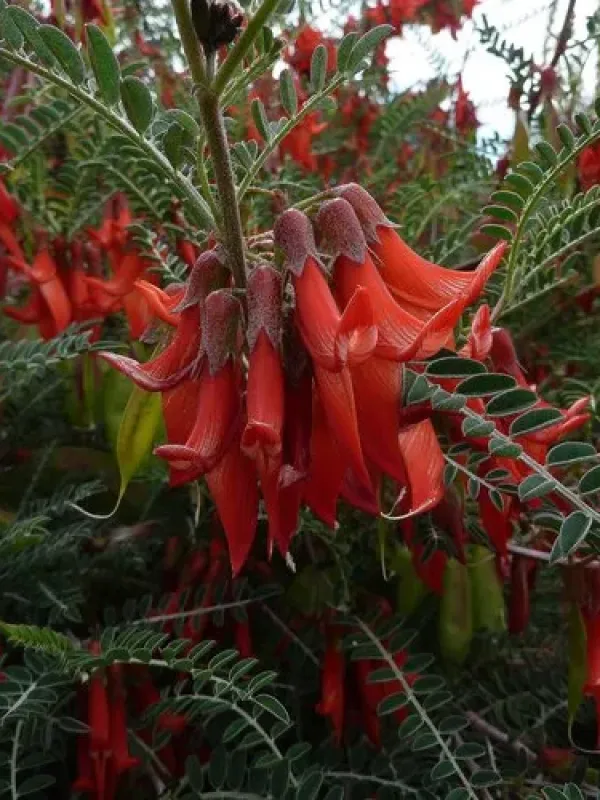
Description
Growing requirements
Mountain lessertia (Lessertia montana) is a perennial legume species within the Fabaceae family. It is recognized for its ability to fix atmospheric nitrogen, contributing significantly to soil fertility improvement in sustainable cropping systems.
Originating from mountain ranges, the species shows remarkable resilience to varied climatic conditions. It is specifically adapted to temperate environments where it can thrive despite fluctuating thermal profiles.
Successful cultivation requires well-drained, sandy loam soils that prevent waterlogging. The plant performs best in neutral to slightly acidic soil conditions, which should be assessed prior to the sowing season.
Agronomic management involves providing adequate space to avoid overcrowding, as proper air circulation is essential for plant health. This crop is known for its ability to withstand short periods of drought once established.
The primary agricultural application for Lessertia montana is forage production. Due to its high protein profile, it serves as an excellent constituent for livestock feed, whether grazed or harvested as hay.
Main diseases and pests
Root rot represents a primary biological threat to this species, usually triggered by improper irrigation management. Soil drainage must be prioritized to keep the plants healthy and vigorous.
Weevil populations are among the most common insect pests that target leaves and seedlings. Integrated pest management strategies are advised to keep infestation levels below the economic threshold.
Aphid outbreaks can also affect growth, acting as vectors for various plant viruses. Regular field monitoring is critical to identifying potential outbreaks before they spread throughout the field.
Anthracnose can occur under high humidity conditions, particularly during the flowering stage. Proactive fungicide applications or cultural controls may be necessary if environmental factors favor the pathogen.
Effective weed control during the seedling stage is vital to ensure that the crop is not choked by invasive species. Mechanical cultivation is frequently utilized to maintain optimal crop density.