
Zoysia macrostachya
Zoysia macrostachya
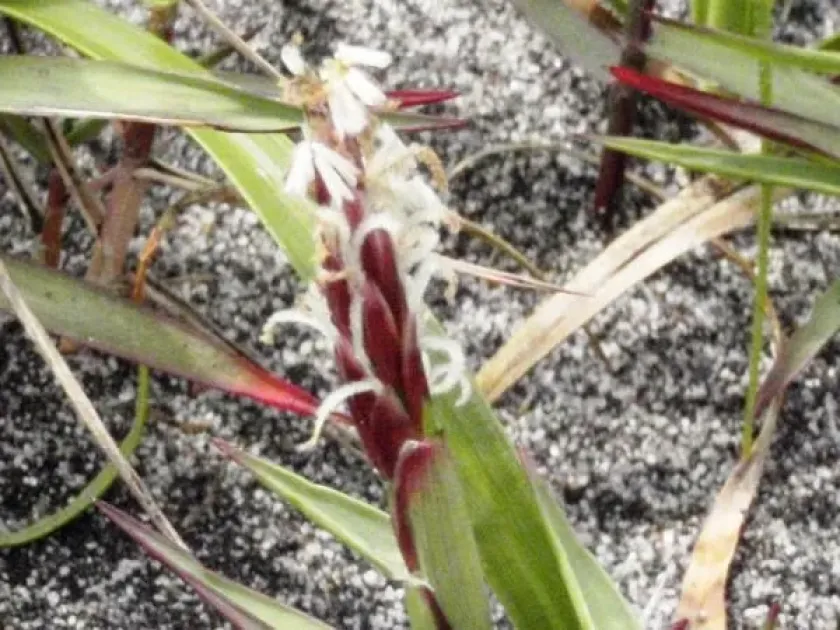
Description
Growing requirements
Zoysia macrostachya is a perennial grass species belonging to the Poaceae family. Known for its robustness, this plant is specifically adapted to environments that are often hostile to other vegetation, including saline coastal soils and sandy dunes.
The native range of this species is primarily located in East Asia, including Japan and coastal areas of China. It is highly valued as a stabilizer for maritime environments, playing a critical role in preventing coastal erosion and sand movement through its dense root architecture.
Botanically, it is characterized by deep, creeping rhizomes and thin, tough leaf blades. This structure allows the grass to form an extremely dense mat, which serves as a natural barrier against wind and water erosion, maintaining the integrity of the soil substrate.
In terms of climate, Zoysia macrostachya is a thermophilic plant, thriving in full sun exposure. It requires relatively high temperatures to initiate rapid growth, although it shows remarkable resilience to various environmental stresses, including high salinity and nutrient-poor sands.
Economically, its main application lies in land reclamation and phytoremediation projects. It is an ideal candidate for restoring degraded landscapes and coastal dunes where rapid soil stabilization is necessary without constant maintenance or chemical intervention.
Main diseases and pests
The primary threats to Zoysia macrostachya are fungal pathogens, which typically proliferate under conditions of excessive moisture and poor soil aeration. Root rot is a significant concern that can lead to the rapid decline of established stands.
Pests that frequently infest these grasses include various soil-dwelling larvae, such as white grubs, which feed on the rhizome network. Damage caused by these pests can result in visible thinning of the turf and reduced vitality of the entire colony.
Effective management against diseases involves maintaining adequate drainage and avoiding over-irrigation. Ensuring that the soil profile is well-aerated is essential to promoting deep root growth and mitigating the impact of potential pathogens.
When dealing with pest outbreaks, integrated pest management (IPM) strategies should be prioritized. Utilizing biological control agents is often preferred to maintain the soil's natural health, especially in coastal zones where environmental impact must be strictly minimized.
Maintaining an appropriate mowing height is crucial for the health of Zoysia macrostachya. Proper cutting intervals help the grass compete with weeds and prevent the stress-induced conditions that make the plants more susceptible to disease and pest infestation.