
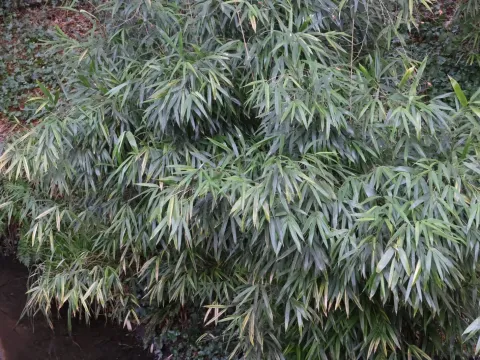
Sinarundinaria
Sinarundinaria
Sinarundinaria is a genus of perennial evergreen plants belonging to the Poaceae family, specifically the bamboo subfamily. Many species formerly classified under this name are now identified within the genus Fargesia.
What the section contains

Sinarundinaria
These plants originate from the mountainous regions of East Asia, thriving in cool, humid environments. Their hardiness makes them a preferred choice for temperate climate landscaping compared to tropical bamboo varieties.
The biological structure of Sinarundinaria features clustered culms that do not exhibit the aggressive spreading behavior seen in some other bamboo species, making them suitable for controlled garden spaces.
Cultivation requires well-drained, nutrient-rich soil with a slightly acidic to neutral pH. They perform best in locations that offer partial shade and protection from harsh, drying winds that can damage the foliage.
Maintenance involves consistent moisture management, especially during the establishment phase. Adding a layer of organic mulch helps retain soil moisture and stabilizes temperature, which is critical for root health.
The primary pests affecting Sinarundinaria are spider mites and scale insects. These pests often thrive in environments with low humidity, necessitating regular monitoring of leaf undersides.
Fungal issues, such as root rot, frequently occur due to poor drainage or prolonged waterlogging. Proper site selection and soil amendment are essential preventive measures against these pathogens.
Leaf spot diseases may appear during seasons of high humidity and poor air circulation. Removing infected foliage and thinning the clumps improves air movement and reduces fungal spread.
Integrated pest management should focus on cultural practices first, such as proper spacing and irrigation, before resorting to chemical interventions for pest control.
The use of this culture in commercial and landscape projects is primarily ornamental, serving as effective windbreaks, privacy screens, and aesthetic elements in modern garden designs.