
Sinobambusa
Sinobambusa
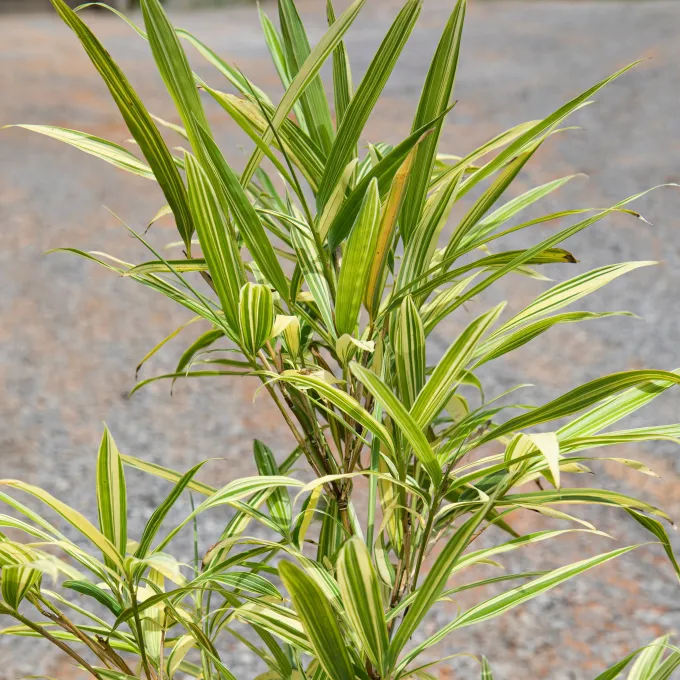
Description
Growing requirements
Sinobambusa is a genus of evergreen perennial bamboos belonging to the grass family Poaceae. This plant originates from East Asia, specifically regions within China and Vietnam, where it thrives in humid subtropical conditions.
The plant grows in a clumping or running habit depending on the species, with stems that can reach significant heights. Its leaves are typically narrow, lanceolate, and durable, providing a dense and lush appearance throughout the growing season.
Cultivation requires fertile, well-draining soil that remains consistently moist. These bamboos perform best in soils that are slightly acidic to neutral, avoiding waterlogged environments that can trigger root rot and other physiological stressors.
While Sinobambusa species can tolerate partial shade, they prefer areas with ample indirect sunlight. Protecting the plants from harsh, drying winds and excessive winter frosts is crucial, as most species are not fully hardy in temperate zones.
In terms of practical use, Sinobambusa is primarily valued for its ornamental appeal in landscape architecture. It is widely used to create privacy screens, noise barriers, and structured hedges, adding an exotic Asian flair to gardens.
Main diseases and pests
Fungal infections represent the primary health challenge for Sinobambusa, particularly in stagnant, high-humidity environments. Powdery mildew and rust fungi are common culprits that can weaken the plant's structural integrity.
Pest pressures include spider mites, which thrive in hot and dry climates, and scale insects that feed on the sap of the culms. These pests can significantly reduce the vitality of the plant if left unchecked over extended periods.
Effective management strategies involve regular monitoring for early signs of infestation. Integrated pest management, utilizing biological controls or targeted miticides and insecticides, is recommended to keep pest populations below damaging levels.
Maintaining good air circulation is essential for disease prevention. This is achieved through strategic pruning of older, crowded, or dying stems, which reduces the habitat for fungal spores and improves light penetration into the core.
Nutritional management is also vital, as weakened plants are more susceptible to biological threats. Providing balanced organic fertilizer helps ensure robust growth, making the bamboo more resilient against typical environmental stress factors.