
Sinarundinaria alpina
Sinarundinaria alpina
Description
Growing requirements
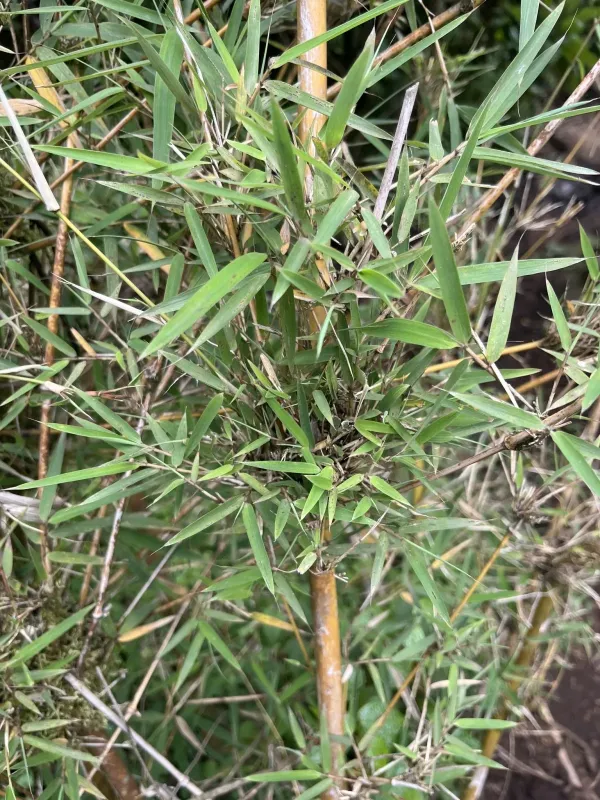
Sinarundinaria alpina, commonly known as alpine bamboo, is a perennial plant belonging to the Poaceae family. It is a robust species that naturally forms dense, evergreen thickets in mountainous terrains.
Native to the high-altitude regions of East Africa, this plant is well-adapted to cool, humid environments with frequent mist. It thrives at elevations ranging from 2,000 to 3,500 meters above sea level, where temperatures remain relatively stable but cool.
Successful cultivation requires deep, fertile soil with excellent drainage. While the plant appreciates moisture, it does not tolerate waterlogging, which can be detrimental to its expansive root system.
Alpine bamboo prefers sunny locations but can tolerate partial shade in its natural habitat. Young plants require protection from strong, drying winds during their establishment phase to ensure healthy stem development.
Agrotechnical practices involve nitrogen-rich fertilization to support the rapid production of biomass. Consistent hydration is essential during dry spells, particularly in the first few years after planting to establish a strong root network.
Yield
The economic utility of Sinarundinaria alpina is diverse, ranging from construction materials to the production of high-quality furniture. The stems are valued for their structural strength and aesthetic appeal.
Young shoots are edible and serve as a nutrient-dense food source when prepared properly. This makes the crop an interesting option for niche agricultural markets and local food security initiatives.
The plant is also used in the pulp and paper industry, providing a sustainable source of cellulose. Due to its rapid growth rate, it is considered an efficient crop for renewable resource management.
In agriculture, this bamboo is highly valued for soil conservation. Its deep, fibrous roots stabilize slopes and prevent erosion, making it an ideal choice for restoring degraded mountain lands.
Leaves and secondary foliage are often utilized as supplemental fodder for livestock in high-altitude pastoral regions, contributing to the overall productivity of mixed agroforestry systems.
Main diseases and pests
Aphids and mites are the most common pests affecting alpine bamboo, primarily feeding on the soft, succulent growth of new shoots. Early detection is key to preventing significant damage to the plant population.
Fungal diseases, such as leaf blight and root rot, are usually indicators of poor soil aeration or excess moisture. Improving drainage and thinning the thickets significantly reduces the risk of such infections.
Stem-boring insects can potentially impact the quality of the harvested timber. Regular plantation maintenance, including the removal of dead or decaying stalks, helps to minimize the nesting grounds for these pests.
Weed competition is a major challenge during the early establishment of a new plantation. Implementing mulching techniques is a standard and effective method for managing competing vegetation and soil moisture.
The long-term health of an alpine bamboo plantation depends on proactive management. By ensuring proper spacing and removing invasive weeds, growers can maintain strong, disease-resistant stands for many years.