
Silver plumegrass
Saccharum alopecuroides
Description
Growing requirements
Silver plumegrass (Saccharum alopecuroides) is a perennial grass species belonging to the Poaceae family. This plant is known for its distinctive, plume-like inflorescences that appear in late summer and autumn, providing significant aesthetic value to its habitat.
Native to the southeastern United States, this grass thrives in diverse environments, including moist prairies, streambanks, and open woodlands. Its natural range allows it to adapt to various moisture regimes, showing resilience in both seasonal wetness and periodic dryness.
The crop prefers well-drained, fertile soils with a slightly acidic to neutral pH. While it can grow in poorer soils, optimal performance is achieved in locations with high organic content and full sunlight exposure, which is necessary for the development of its signature plumes.
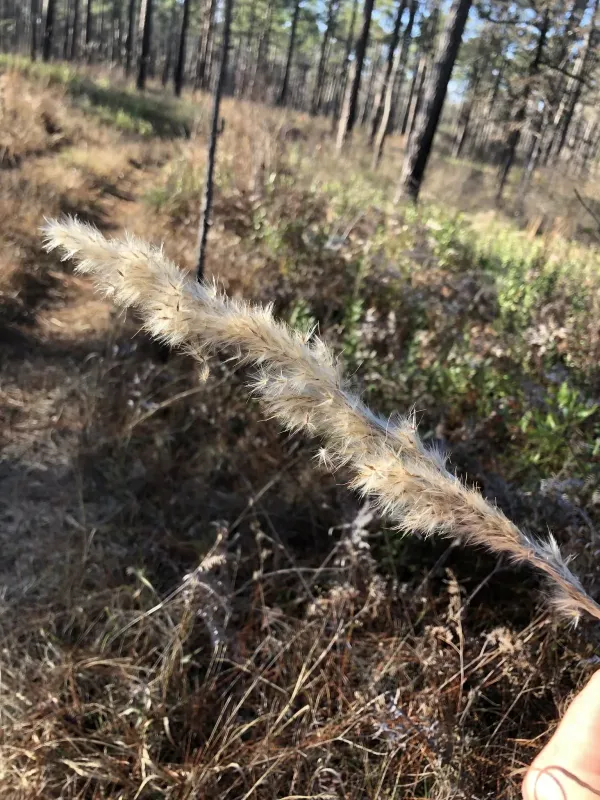
Botanically, the plant forms robust clumps of upright, arching stems. The leaves are narrow, long, and scabrous, contributing to the overall coarse texture of the plant. The inflorescence is a terminal, silky panicle that turns a silvery-white color as the seeds mature.
Agricultural management is relatively simple once the plant is established. Annual maintenance typically involves cutting the foliage back to the ground in late winter or early spring to clear away dead growth and encourage vigorous new foliage emergence for the upcoming season.
Main diseases and pests
Silver plumegrass is generally a hardy plant, but it can be susceptible to various fungal pathogens if conditions are suboptimal. Leaf spot diseases may occur in stagnant, humid air, necessitating adequate spacing between individual plants to improve air circulation.
Pests such as aphids and spider mites can occasionally affect the foliage, particularly during dry, hot spells. These insects feed on sap, which can weaken the plant and lead to stunted growth if left unmonitored or untreated for an extended duration.
Root rot is a potential risk if the soil becomes waterlogged for prolonged periods. Ensuring the site has excellent drainage is the most effective preventative measure against soil-borne pathogens that thrive in consistently saturated conditions.
In some regions, the plant may be vulnerable to damage from certain types of grasshoppers or lepidopteran larvae that feed on foliage. Monitoring the plant throughout the growing season helps in identifying pest pressure early, allowing for timely and effective intervention.
Maintaining proper plant health through appropriate irrigation and nutrient management is key to minimizing susceptibility. Stress-free plants are naturally more resistant to the mentioned threats and are less likely to require chemical control methods.