
Sesleria heufleriana
Sesleria heufleriana Schur
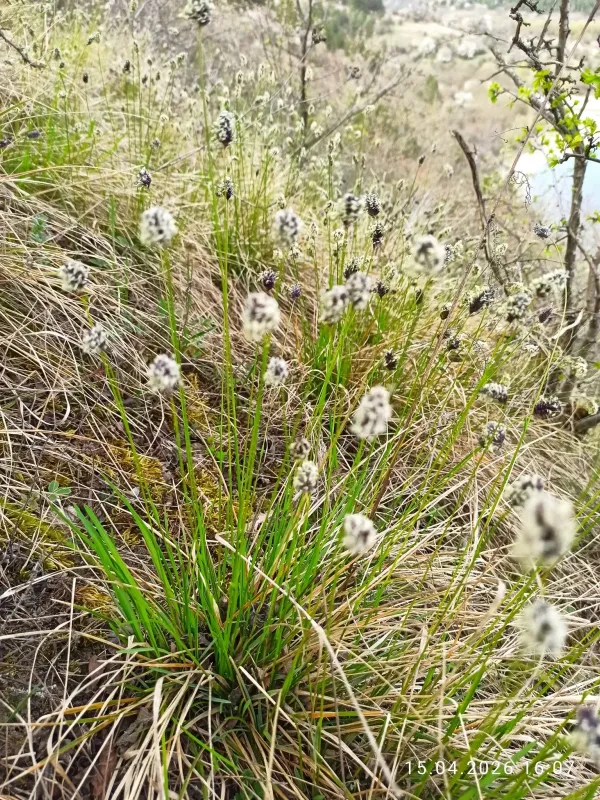
Description
Growing requirements
Sesleria heufleriana is a robust perennial grass species belonging to the Poaceae family. It is highly regarded by horticulturists for its dense, mound-forming habit and its ability to maintain a tidy appearance throughout the changing seasons.
Native to the limestone regions of Central and Southeastern Europe, this plant has adapted to survive in various mountain environments. In cultivation, it demonstrates excellent winter hardiness and versatility, making it a reliable choice for temperate garden zones.
The plant thrives in well-drained, neutral to alkaline soils. It is essential to ensure that the site has good drainage, as Sesleria heufleriana cannot tolerate waterlogged conditions during the dormant season, which could lead to root damage.
While the species prefers sunny locations, it also tolerates partial shade, provided it receives sufficient light to maintain its compact growth form. Once established, it shows remarkable drought tolerance, although occasional watering during prolonged summer dry spells will improve its visual appeal.
Management practices are minimal, focusing on clearing dead foliage in early spring before the new growth appears. The plant is long-lived and does not require frequent division, making it an excellent low-maintenance choice for professional landscaping projects.
Main diseases and pests
Sesleria heufleriana possesses a strong natural resistance to major grass diseases. Providing an open site with good airflow is usually sufficient to prevent the development of common fungal issues like leaf spots or mildew.
Pests are generally not a significant concern for this species. However, in gardens with high moisture levels or dense mulch layers, slugs and snails may graze on the fresh, tender spring growth, necessitating minor protective measures in early spring.
To avoid physiological disorders, it is critical to ensure proper spacing between plants. Overcrowding can create a microclimate that promotes humidity, which might eventually lead to weaker stems or fungal growth in the inner parts of the grass tuft.
Monitoring the soil moisture levels is the best form of integrated pest management. Keeping the base of the plant free of decaying organic matter helps reduce the habitat for potential pests and ensures the health of the root system.
The primary use of this grass is ornamental: it serves as an excellent ground cover, a structural element in gravel gardens, or a sophisticated accent in mixed perennial borders. Its adaptability to poor soil conditions makes it a sustainable choice for modern garden designs.