
Rye
Secale cereale x secale montanum
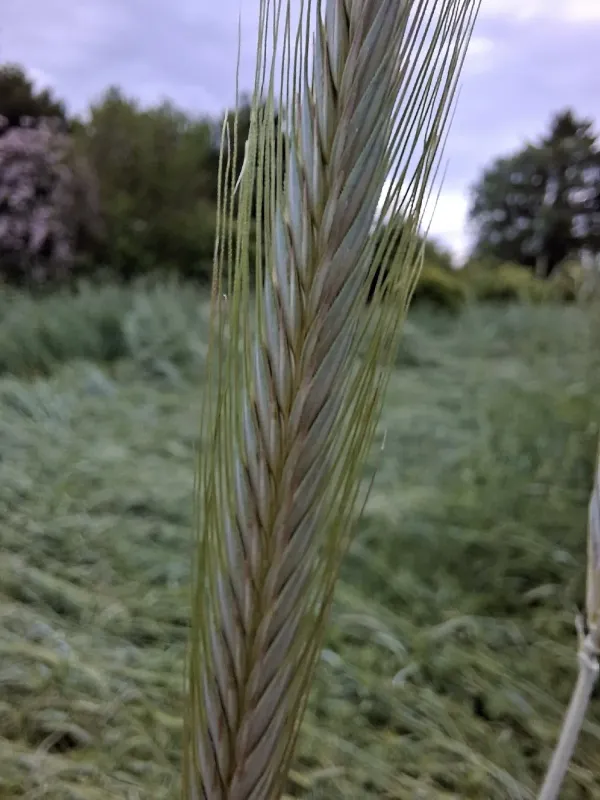
Description
Sowing dates
Rye is typically grown as a winter crop, with seeding occurring in late summer to early autumn. This timing is critical to allow the plants to establish a robust root system before the onset of dormancy.
Proper seeding depth is vital for uniform emergence; generally, seeds should be planted 2–4 cm deep. On lighter soils, slightly deeper planting helps prevent moisture loss, while shallower planting is preferred for heavier clay soils.
Seed rates usually range from 100 to 150 kilograms per hectare, depending on the variety and local environmental conditions. Ensuring optimal plant density helps the crop compete effectively against early spring weeds.
In regions with harsh winters, early planting is essential for the crop to reach the tillering stage before growth stops. A well-established rye field is significantly more resilient to winterkill than other small grains.
Precision planting techniques and the use of high-quality, certified seeds ensure a consistent crop stand, which is the foundation for achieving maximum yield potential during the following harvest season.
Growing requirements
Rye belongs to the Poaceae family and is recognized for its incredible versatility. It thrives in diverse soil types, including sandy, acidic, and nutrient-poor soils where other cereal crops would likely fail.
This crop is famous for its exceptional cold tolerance, surviving sub-zero temperatures that would be fatal to wheat or barley. Its ability to grow in challenging climates makes it a staple in northern agriculture.
While rye is drought-tolerant due to its extensive root system, it requires adequate moisture during the early spring growth flush. It utilizes water more efficiently than many other cereals, allowing for stable production.
Rye is relatively tolerant to soil pH levels ranging from 5.0 to 7.5. This broad adaptability allows farmers to cultivate it on land that is less suitable for more sensitive cereal crops, optimizing land use.
Crop rotation remains a fundamental practice for rye production. Following rye with nitrogen-fixing legumes can help restore soil fertility, ensuring long-term sustainability of the farming operation.
Yield
The yield of rye varies significantly depending on soil fertility, moisture availability, and management intensity. Average yields often range from 3 to 6 tonnes per hectare under favorable conditions.
Nitrogen fertilization during the spring green-up stage is the most impactful management practice for increasing yield. Providing adequate nutrients during tillering encourages the production of more productive heads per plant.
Modern breeding has produced varieties with shorter, stronger straw, reducing the risk of lodging. This allows farmers to apply higher inputs to maximize grain production without the risk of significant loss.
Factors like head length, grain density, and kernel weight determine the final yield. Monitoring the crop during the grain-fill stage ensures that any emerging issues are addressed promptly to protect potential profits.
Yield stability is one of the primary reasons farmers choose rye. Even in years with erratic weather patterns, rye consistently outperforms other cereals, providing a reliable source of income and feed.
Main diseases and pests
Common diseases affecting rye include snow mold, which appears after winter, and powdery mildew. Ergot is also a specific concern in rye, necessitating the use of clean seeds and proper field hygiene.
Insects like Hessian flies and various species of aphids can pose threats to young plants. Regular field scouting and the use of biological or chemical controls, when necessary, are standard practice in professional farming.
Seed treatments are highly recommended to protect against soil-borne pathogens. By reducing early-season mortality, farmers ensure a dense stand that suppresses weeds and produces a healthier, higher-yielding crop.
Integrated Pest Management (IPM) strategies, which prioritize crop rotation and the destruction of volunteer cereals, play a major role in keeping pest populations below the economic injury level.
Harvested grain must be monitored for moisture content to prevent the development of mycotoxins. Proper drying and cooling during storage are essential to maintain the quality and safety of the grain for human or animal consumption.
Harvesting
Harvesting usually takes place when the grain reaches physiological maturity and the moisture content drops below 15%. Direct combining is the standard method used on most modern farms for efficiency.
If the field has significant weed pressure, swathing might be used to allow weeds to dry down before combining. This helps maintain the purity and quality of the harvested grain, avoiding potential price deductions.
Calibration of the combine harvester is crucial to prevent mechanical damage to the grains. Proper settings for the drum speed and concave clearance ensure a clean sample with minimal loss of harvestable grain.
Post-harvest management involves immediate cleaning and transport of the grain to storage facilities. Ensuring that grain is free from foreign matter reduces the risk of spoilage due to moisture accumulation.
Storage structures should be well-ventilated and kept cool. Regularly checking the grain for signs of heat or insect activity allows for prompt action, protecting the investment made throughout the growing season.