
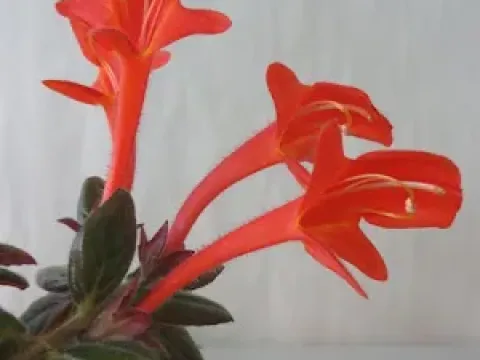
Reitzia
Reitzia
The sowing of Reitzia is best performed in the autumn or early spring to take advantage of natural temperature fluctuations. A shallow sowing depth of about 1–2 cm is sufficient to allow for consistent germination of the small seeds.
What the section contains
Reitzia
Preparation of a fine, crumbly seedbed is essential for optimal contact between the seed and soil. During the initial germination phase, maintaining surface soil moisture is critical, as the young seedlings are highly sensitive to drought stress.
Row spacing should typically range from 30 to 40 cm to allow each plant sufficient space to develop its root system. This spacing also simplifies weed management during the early growth stages before the plant establishes its canopy.
Spring sowing requires careful monitoring of soil temperature, aiming for at least 8–10 degrees Celsius for consistent results. Proper seed treatment can also enhance vigor and protect young plants from soil-borne pathogens.
As the seedlings emerge, it is important to manually weed the area since the early growth of Reitzia is relatively slow. Once the plants reach a height of 10–15 cm, they become much more competitive and resilient against opportunistic weeds.
Reitzia, a member of the Poaceae family, thrives best in sunny environments with well-drained, fertile soil. While the crop is adaptable, it performs best in sandy loam or light clay soils that do not hold excessive moisture.
Although the plant is quite drought-tolerant once established, supplemental irrigation during prolonged dry spells is recommended to maintain optimal biomass production and aesthetic appearance throughout the season.
The ideal soil pH for Reitzia ranges from 6.0 to 7.5. Ensuring adequate organic matter content in the soil will promote robust vegetative growth and improve the plant's overall resilience to environmental stressors.
Winter hardiness is a notable trait, allowing the plant to survive cold climates if protected by snow cover or residual mulch. It is recommended not to trim the foliage in the autumn, as this serves as natural insulation for the crown of the plant.
- Light requirements: Full sun preferred.
- Soil texture: Light to medium loams.
- Drainage: Essential for root health.
- Growth cycle: Perennial.
Yield metrics for Reitzia are primarily driven by soil fertility and the age of the stand. Nitrogen fertilization during the early spring flush significantly boosts vegetative biomass production throughout the main growth season.
For consistent production, dividing the clumps every 3 to 4 years is recommended to prevent overcrowding and root competition. Older stands may exhibit decreased vigor, making regular renewal an important part of the management strategy.
Seed yield varies depending on pollination conditions during the flowering phase. Warm, dry weather during this time favors higher seed set and better overall quality of the harvested material.
Proper harvest management ensures that the plant has enough resources to prepare for winter, which in turn influences the potential yield for the following year. A balanced approach to harvesting is key to maintaining long-term stand productivity.
Overall, Reitzia offers stable and reliable yields, making it an excellent candidate for both agricultural and specialized ornamental applications when managed with appropriate agronomic practices.
The primary health threats to Reitzia are fungal pathogens, particularly those that thrive in stagnant air or excessively humid conditions. Powdery mildew can appear if the planting density is too high or if airflow is restricted.
Pests such as spider mites may become problematic during hot, dry summer months. Regular scouting of the leaves allows for early detection and targeted interventions, which are more effective than broad-spectrum treatments.
Root rot represents a significant risk if the soil remains waterlogged for extended periods. Improving field drainage is the most effective preventative measure against this type of fungal damage, especially in areas with heavier soil.
Weed pressure is the most significant challenge during the establishment year. Because the plant has a slow initial growth rate, failure to manage weeds can significantly weaken the population and lead to poor stand density.
By implementing a proactive integrated pest management strategy, including good sanitation and proper spacing, farmers can minimize the impact of these threats and maintain healthy, productive stands of Reitzia.
The harvest of Reitzia seeds should be timed when the seed heads develop a characteristic color and the seeds begin to reach maturity. Precision in timing is required to prevent excessive shattering and loss of seeds in the field.
For biomass utilization, cutting should occur before the stems reach a lignified state to ensure maximum nutritional value. Using sharp equipment helps ensure a clean cut, which promotes faster recovery of the plant after harvest.
After the seeds are collected, they should be dried in a well-ventilated area away from direct sunlight. Once dried, they should be cleaned of chaff and stored in moisture-resistant, breathable packaging to maintain their germination potential.
Leaving a portion of the foliage after the final harvest provides vital winter protection for the root system. This practice is particularly important in colder regions to prevent the loss of the stand due to freezing temperatures.
Managing the harvest process with care preserves the long-term health of the crop. Proper timing and post-harvest handling are essential for maximizing the value of the products obtained from a Reitzia planting.