
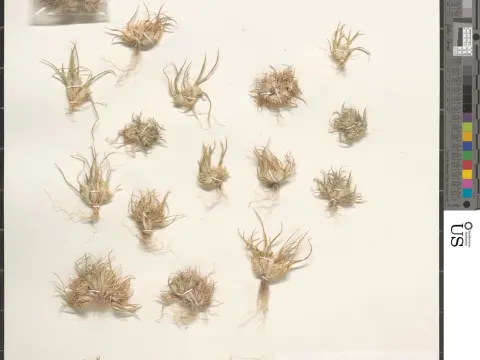
Rhizocephalus
Rhizocephalus
Rhizocephalus is a genus of annual herbaceous plants belonging to the Poaceae family. In an agricultural context, it is characterized as a low-growing grass species adapted to survival in harsh, arid environmental conditions.
What the section contains
Rhizocephalus
The natural range of this genus is mainly concentrated in the arid regions of Central and Middle Asia. These plants thrive in rocky and sandy soil conditions, commonly found in semi-desert areas where they tolerate extreme temperature fluctuations.
The plant possesses a notably short vegetation period, which is a vital evolutionary response to water scarcity. It leverages winter and early spring precipitation to complete its life cycle before the arrival of intense summer heat.
Nutrient requirements for Rhizocephalus are minimal. It displays high tolerance to poor, alkaline, and saline soil substrates, allowing it to grow in habitats where other agricultural crops would fail to survive.
In agronomy, the plant is primarily regarded as an auxiliary component for the phytomelioration of pasture lands in arid regions rather than as a primary commercial crop.
The agricultural application of Rhizocephalus is limited to pasture-based livestock management. Due to its rapid early development, it provides a crucial source of green forage during the early spring season in resource-scarce regions.
The biomass productivity of the plant is directly correlated with the amount of rainfall during the winter and early spring. Under optimal conditions, the plant density can yield sufficient forage for small ruminants.
The nutritional value of Rhizocephalus is adequate during the vegetative stage, particularly during tillering. However, once the plant enters the flowering phase, its nutritional profile declines as the stems become coarse and fibrous.
Given its short stature, mechanical harvesting for hay is not feasible or economically viable. Therefore, controlled grazing remains the only practical method of utilizing this vegetation for agricultural purposes.
Current research efforts involving this genus focus on its drought-resistance genes, which hold significant potential for improving the stress tolerance of other common forage cereal crops through selective breeding.