
Rhizomatous bluestem
Andropogon rhizomatus
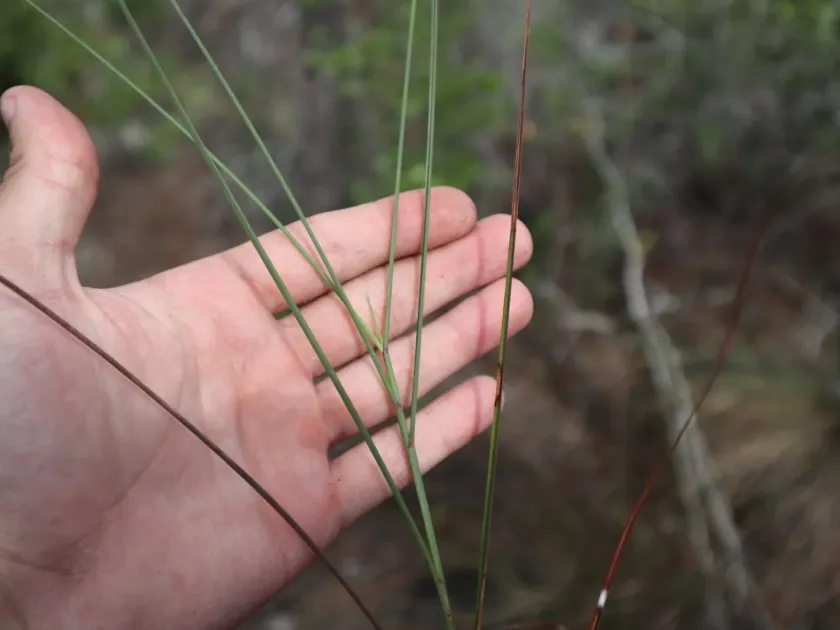
Description
Sowing dates
Sowing of rhizomatous bluestem is primarily carried out in the spring period when the soil warms up to a temperature of 12–15 degrees Celsius. It is crucial to ensure stable contact between the seeds and the moist substrate, so sowing is performed at a depth of no more than 2–3 centimeters.
The choice of timing depends directly on the climatic zone of cultivation, as the crop is demanding of heat during the initial stages of development. In regions with long springs, it is recommended to use packing to improve capillary moisture rise to the seed germination zone.
The seeding rate varies depending on the sowing method: for row seeding, it is about 10–12 kg per hectare. Using high-quality seed material with high germination energy significantly increases the chances of forming a dense stand in the first year of life.
Under irrigated farming conditions, late summer sowing is possible if the growing season allows. The main goal is for the plants to root before the onset of critical low temperatures, which ensures a more effective start in the spring of the following year.
Field preparation includes thorough cleaning of perennial rhizomatous weeds, as bluestem can be outcompeted for light and nutrients in its young age.
Growing requirements
Rhizomatous bluestem is a perennial grass that prefers well-drained, sandy loam or loamy soils with a neutral or slightly acidic reaction. It exhibits high resistance to drought periods due to its powerful root system.
The crop is light-loving, so the best productivity indicators are achieved in open areas free from shading by trees or shrubs. The plant is capable of withstanding temporary waterlogging, but stagnant water is detrimental to its roots.
The optimal temperature regime for active vegetation ranges from 20 to 30 degrees Celsius. When the temperature drops below 5 degrees, metabolic processes slow down, and during frosts, the above-ground part may die off, which does not harm the rhizomes.
Nutrient requirements are moderate, however, applying nitrogen fertilizers at the beginning of vegetation significantly accelerates biomass accumulation. It is also recommended to maintain a balance of potassium and phosphorus in the soil to strengthen the plant's immunity.
The crop adapts well to various types of landscapes, including areas with slight slopes, where other grasses suffer from erosion or moisture deficiency in the surface layer.
Yield
The productivity of rhizomatous bluestem depends on the intensity of use and the level of agronomic management. In favorable conditions, the yield of green mass can reach 20–30 tons per hectare per season with two to three cuts.
An important factor is the fertilizer application regime: after each cut, it is recommended to fertilize with nitrogen fertilizers to restore vegetative mass. Under irrigation, yields remain stable even in dry years.
Seed productivity of bluestem can be moderate, so specialized seed plots are often used for commercial cultivation. Seed harvesting is carried out at full waxy maturity, preventing shedding.
The quality of the obtained product is characterized by high fiber content, making it a suitable component for the diet of ruminants. The correct balance of proteins and carbohydrates is maintained by timely mowing before the stems begin to lignify.
The use of the crop in rotations contributes to improving soil structure due to the development of an extensive root system, which indirectly affects the yield of subsequent crops.
Main diseases and pests
Rhizomatous bluestem has natural resistance to many diseases characteristic of grasses, however, if agronomic practices are violated, damage by powdery mildew or rust is possible. Prevention consists of following the mowing regime.
The main pests can be various types of insects that feed on stem sap, such as leafhoppers or grass aphids. Mass outbreaks of pests occur rarely, usually during abnormally hot and dry weather.
Fungal infections are more likely to occur in areas with excessive stand density and poor air circulation. It is important to ensure ventilation of the stand by controlling plant density and timely harvesting.
In case of detecting disease outbreaks, it is recommended to use permitted fungicides in minimum necessary doses. However, the main method of control remains compliance with agronomic standards and crop rotation.
Competition from weeds during the seedling period is the main threat to establishing a productive stand. The use of selective herbicides helps protect young crops from weed infestation.
Harvesting
Harvesting of bluestem is carried out in the jointing phase or the beginning of heading, when the nutrient content in the green mass reaches its maximum. Overstaying in the field leads to a decrease in forage quality due to the accumulation of lignin.
For haymaking, mower-conditioners are used, which allow for accelerating the dehydration process of the mowed grass. This is critical for preserving the vitamin composition and preventing rot processes during drying.
When harvesting silage, the mass is chopped immediately after mowing and thoroughly packed in storage facilities. Using preservatives allows obtaining high-quality feed even under unfavorable weather conditions during harvest.
The cutting height should be at least 5–7 centimeters from the soil surface. This promotes rapid regrowth and preserves the nutrient reserves in the rhizomes necessary for overwintering.
At the end of the growing season, moderate grazing is permissible; however, it is important not to graze down to the root crown level so as not to weaken the plant before the winter rest period.