
Reed mannagrass
Glyceria arundinacea
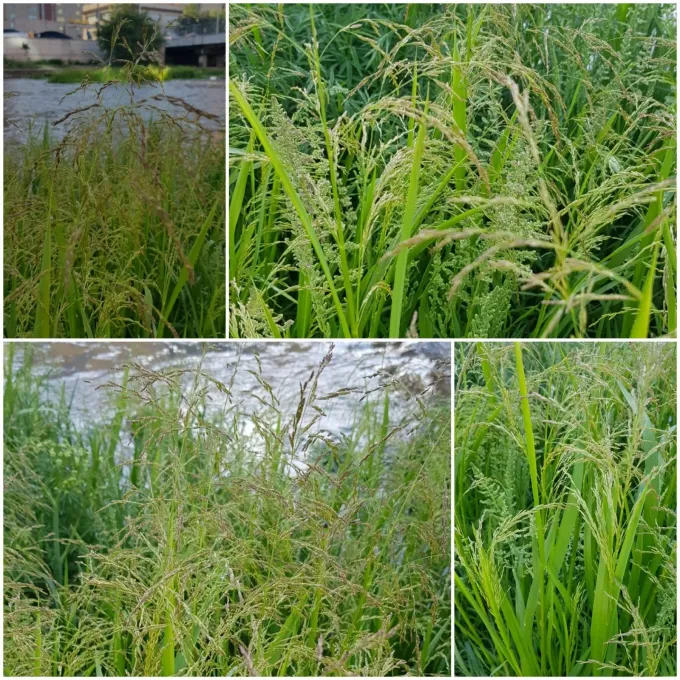
Description
Sowing dates
Sowing should take place in early spring when moisture is most abundant. Given the small size of the seeds, they should be sown shallowly to ensure proper germination. Rolling the field after sowing is recommended to improve soil-to-seed contact.
The seeding rate is determined by the intended density of the meadow. It can be established through broadcasting or precision drilling. Successful establishment requires consistent moisture during the early vegetative stages before the root system fully develops.
Growing requirements
Reed mannagrass (Glyceria arundinacea) is a robust perennial grass species belonging to the Poaceae family. It naturally thrives in moist environments, including river banks, floodplains, and marshy meadows, where it plays a vital role in wetland vegetation stability.
This plant is exceptionally well-adapted to high soil moisture levels. Its extensive root system allows it to withstand prolonged waterlogging, making it an ideal choice for reclaiming boggy areas or planting in buffer zones near water bodies where other crops would fail.
Climatic requirements for this species are relatively low, as it is highly cold-hardy. It requires ample sunlight for optimal growth; while it can tolerate partial shade, productivity is significantly higher in open, sunny areas with consistent water availability.
Soil preferences lean towards nutrient-rich, silty, or peaty soils. It performs best in neutral to slightly acidic conditions. The plant's ability to extract nutrients from moist soil layers makes it a highly efficient biomass producer in specific ecological niches.
Economically, reed mannagrass is valued as a productive forage source. It is highly palatable for livestock and provides excellent nutritional value, making it a strategic component for sustainable wetland-based agricultural systems and hay production.
Yield
The yield potential of reed mannagrass is largely determined by the hydrological regime. On optimally managed wetland sites, the grass produces high volumes of green matter, supporting multiple harvests per season if managed correctly.
Rapid regrowth after cutting or grazing is a hallmark of this species, provided the water table does not drop significantly. Regular maintenance ensures the stand remains productive for many years, as the plants are capable of aggressive colonization.
Main diseases and pests
Reed mannagrass is naturally resilient to many common cereal diseases. However, in poorly ventilated, stagnant water conditions, there is a risk of fungal infections such as rust or leaf spot. Management strategies focus on periodic clearing and maintaining water flow.
Pests are generally not a limiting factor for this crop. Due to its vigorous nature, the plant can outcompete most weeds, reducing the need for chemical interventions. Monitoring for common grass-feeding insects remains good practice in commercial settings.
Harvesting
Harvesting for hay is most effective during the early flowering stage, when the nutritional content is at its peak. Delaying harvest results in lignification of the stems, which decreases the digestibility and overall quality of the harvested feed.
Due to the soft and often waterlogged nature of the harvest environment, specialized low-ground-pressure machinery is necessary to prevent soil compaction and root damage. Efficient drying is also crucial to ensure the quality of the harvested biomass.