
Alpine timothy
Phleum rhaeticum (Humphries) Rauschert
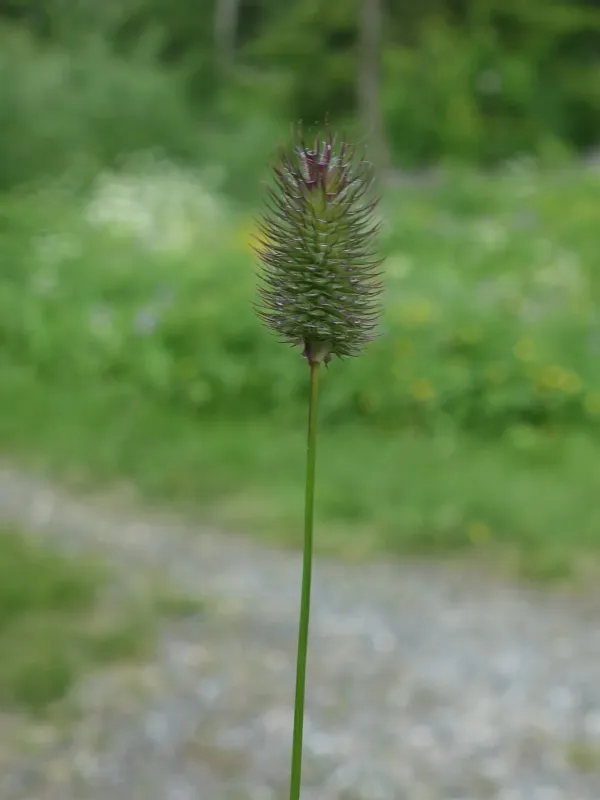
Description
Sowing dates
Sowing of Alpine Timothy is typically scheduled for early spring or late summer, allowing the seeds to establish a strong root system before environmental stress occurs.
The seeds are small, requiring a firm and fine seedbed to ensure proper soil-to-seed contact, which is essential for uniform germination and growth.
Seeding depth should be kept shallow, generally between 1–2 cm, as deep burial can significantly reduce the emergence rates of this perennial grass.
When overseeding existing pastures in mountainous areas, specialized equipment such as disc seeders is recommended to place the seed directly into the soil.
Rolling the soil immediately after planting is a critical step in the agrotechnical process to improve moisture retention and soil contact for the small seeds.
Growing requirements
Alpine Timothy, known scientifically as Phleum rhaeticum, is a member of the Poaceae family, specifically adapted to cold, mountainous climates and high elevations.
This grass species thrives in moist, humus-rich soils and demonstrates a remarkable tolerance for slightly acidic soil conditions typical of alpine environments.
It requires ample sunlight to develop, though it performs best in regions with cool, temperate summers rather than areas prone to intense heat and prolonged drought.
The plant is highly frost-hardy, allowing it to survive harsh winter conditions that would be lethal to many other forage grasses used in lowland agriculture.
It is moderately demanding regarding soil fertility and shows an excellent response to balanced phosphorus and potassium fertilization in early spring.
Yield
The agricultural value of Alpine Timothy lies in its ability to provide consistent biomass production in environments where traditional crops struggle to survive.
Annual yields are influenced by altitude, precipitation patterns, and the grazing management practices applied to the specific field or pasture.
When integrated into long-term cultivated pastures, it provides a high-quality, protein-rich forage that is highly palatable to various types of livestock.
The plant demonstrates good regrowth capacity after grazing, provided that sufficient rest periods are allowed for the root system to recover its energy reserves.
Its persistence in the sward makes it a reliable choice for sustainable land management in mountain regions, reducing the need for frequent pasture renovation.
Main diseases and pests
The primary threats to this culture include various rust fungi that thrive in cool, humid conditions, potentially reducing the photosynthetic area of the leaves.
Root rots can become a significant issue in poorly drained fields, highlighting the necessity of proper land leveling and drainage before establishment.
Insect pests, such as grass flies and certain nematode species, can impede growth, especially during the early stages of the plant's development cycle.
Proactive management, including regular crop monitoring and strict adherence to recommended sowing densities, is essential to mitigate these biological risks.
- Use of certified, disease-free seed lots for all new plantings.
- Implementation of rotational grazing to prevent overgrazing and soil compaction.
- Application of selective fungicides only when infestation levels warrant intervention.
Harvesting
Harvesting for hay production is most effective during the early heading stage, when the nutrient-to-fiber ratio is at its optimal point for animal nutrition.
Mowing should be carried out during periods of stable weather, as the curing process requires several days of dry conditions to prevent the loss of forage quality.
Careful handling is required during the tedding and raking processes to ensure that nutrient-dense leaves remain attached to the stems rather than shattering.
Seed harvesting should be timed carefully to capture the seeds at full maturity, typically when the seed heads show a characteristic color change and firmness.
Post-harvest conditioning includes thorough cleaning and moisture testing to ensure the longevity and viability of the harvested material during long-term storage.