
Tibetan barley
Hordeum trifurcatum
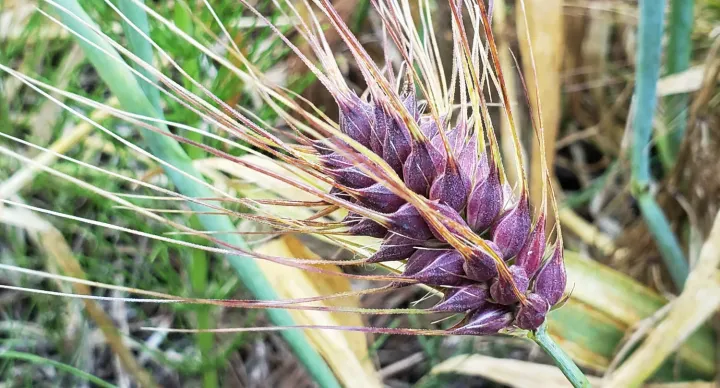
Description
Sowing dates
Tibetan barley is typically sown during the early spring season, as it exhibits excellent cold tolerance during the initial stages of plant development. Timely planting ensures that the crop can leverage soil moisture effectively, which is essential for establishing a robust root system before the onset of drier summer months.
The optimal seeding depth generally ranges from 3 to 5 centimeters, depending on soil texture and moisture conditions. Precision in depth is critical, as seeds placed too deep may struggle to reach the surface, while shallow placement risks dehydration in the upper soil layers during erratic spring weather.
Spacing between rows should be optimized to balance plant density and nutrient access, which also assists in weed suppression. Using certified, high-quality seeds is a fundamental practice that ensures uniform germination and minimizes the risk of introducing seed-borne pathogens into the field.
Soil preparation should involve achieving a firm, level seedbed that promotes uniform germination. Following the sowing process, light rolling can improve seed-to-soil contact, significantly increasing the probability of successful emergence in fields with variable moisture levels.
Crop rotation remains a cornerstone of the agronomic strategy for this species. Planting Tibetan barley after broad-leaved crops or legumes helps break pest cycles and contributes to better soil fertility, creating an ideal environment for the crop to reach its maximum yield potential.
Growing requirements
Tibetan barley, a member of the Poaceae family, is a cereal crop renowned for its extreme resilience. Its evolutionary history in the high-altitude environments of the Himalayas has equipped it with the ability to withstand cold temperatures, intense UV radiation, and arid conditions.
This crop thrives best in well-drained, fertile soils but demonstrates notable plasticity, allowing it to grow in marginal or stony soils where other cereals might fail. Maintaining a neutral or slightly alkaline soil pH is preferred for optimal nutrient uptake and overall metabolic function.
Light availability is paramount for this species, as it is a long-day plant that requires sufficient solar exposure for successful transition through growth stages. Inadequate light during the stem elongation phase can lead to lodging and a decline in grain quality, hindering the plant's productivity.
Water requirements for Tibetan barley are moderate; however, adequate moisture during the boot and flowering stages is critical. Proper irrigation management or reliance on timely rainfall during these physiological bottlenecks is necessary to ensure the development of a well-filled ear and consistent kernel size.
The crop is recognized for its relative tolerance to salinity, making it an excellent candidate for agricultural systems in saline-prone areas. Its ability to thrive in these harsh environmental niches makes it an invaluable genetic resource for sustainable food production in challenging landscapes.
Yield
Yield performance in Tibetan barley is influenced by both the chosen cultivar and the management practices employed throughout the growing season. Under optimal conditions, the crop produces a reliable yield of high-protein grains, which are highly valued in both human nutrition and livestock feed sectors.
High yields are typically associated with fields that receive balanced fertilization, specifically focusing on nitrogen levels during the early stages and phosphorus during the reproductive phases. Proper nutrient management prevents unnecessary vegetative overgrowth and shifts the energy towards grain filling.
The number of ears per square meter and the weight of individual grains are the primary drivers of final yield. Agronomic practices such as controlling weed competition and managing disease outbreaks early in the season are essential to protecting these vital yield components from degradation.
Environmental stress, such as drought or heatwaves during the grain-filling period, can cause yield reductions by shortening the filling duration. Cultivars bred for specific regional adaptation are often the best solution to mitigate these risks and ensure stable harvests across varying seasonal patterns.
Post-harvest handling is just as important as the growing phase to preserve yield quality. Ensuring grain moisture is within the appropriate range before storage is vital to prevent mold growth and maintain the nutritional integrity and market value of the harvested produce.
Main diseases and pests
Fungal diseases such as smut and leaf rust pose significant threats to the overall harvest quality and quantity. Integrated pest management, starting with the use of systemic fungicides as seed treatments, is highly recommended to protect the crop during its vulnerable emergence phase.
Pests, particularly cereal aphids and various fly species, can cause severe damage by feeding on young foliage and disrupting sap flow. Monitoring programs should be in place to detect insect populations early, allowing for targeted and environmentally conscious control measures if necessary.
Powdery mildew often thrives in conditions characterized by high humidity and poor air circulation within the canopy. Improving crop hygiene and managing planting density are effective non-chemical strategies to reduce the incidence and severity of this common fungal pathogen.
Root rots are frequently associated with soil compaction and excessive moisture, which stress the plants and create entry points for soil-borne pathogens. Maintaining good soil structure through appropriate tillage practices and preventing waterlogging are essential strategies for root health.
Regular field scouting is the most effective way to identify and address threats before they reach economic injury levels. A combined approach, utilizing both cultural control methods and modern chemical inputs, ensures that the crop remains healthy throughout its maturation process.
Harvesting
The harvest timing for Tibetan barley is determined by the moisture content of the grain, typically targeted when it reaches a stable range for safe storage. Harvesting too early results in high moisture levels that require expensive drying, while delaying the harvest increases the risk of grain shattering.
Modern harvesting techniques utilize combines calibrated specifically for barley to minimize kernel damage and losses during the threshing process. Adjusting the cylinder speed and concave clearance based on the crop's condition is essential to achieve a clean and efficient sample.
Field cleanliness, including the removal of large weeds before harvest, can significantly improve the efficiency of the machinery and the quality of the harvested grain. Uniform ripening across the field is a key indicator of a successful growing season and ease of mechanical harvest.
Post-harvest, the grains should be dried to a consistent moisture content, usually around 12-14%, to prevent deterioration during storage. Proper aeration in storage facilities helps maintain grain quality and prevents the development of storage pests and mycotoxins.
Efficient coordination of logistics during the harvest window is crucial, especially in regions with unpredictable weather patterns. Having storage and transport ready ensures that the high-quality grain is protected from the elements immediately after being collected from the field.