
Neololeba atra
Neololeba atra
Description
Growing requirements
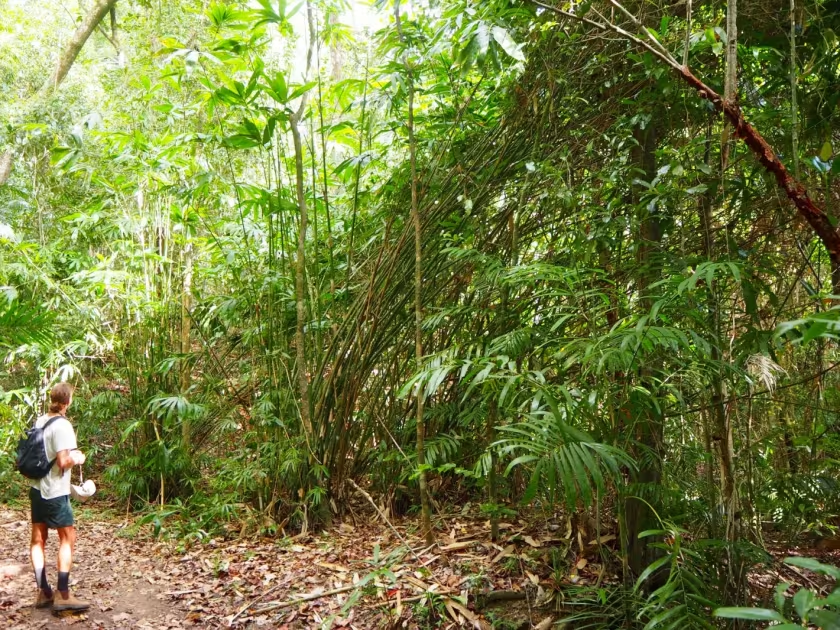
Neololeba atra is a distinct species of woody bamboo belonging to the Poaceae family. Known for its rapid growth rate, it is a significant tropical plant that forms dense clumps, contributing to the biodiversity and ecosystem stability in its native habitats.
The origin of this species is traced to the humid tropical regions of Indonesia and New Guinea. It thrives in high-temperature environments with significant annual rainfall, as it is biologically adapted to tropical climates that lack harsh seasonal frost cycles.
Successful cultivation of Neololeba atra requires fertile, well-draining soils with a neutral pH. Consistent soil moisture is essential for development, as the plant lacks tolerance for prolonged drought, making irrigation a critical factor in drier agro-climatic zones.
The agrotechnical management of this bamboo involves periodic thinning of culms to maintain the health of the clump. Providing a sheltered environment from strong, drying winds is also necessary to preserve the integrity of the foliage and ensure optimal physiological performance.
In terms of economic use, the culms are highly valued for their strength and flexibility. They are widely utilized in traditional construction, the manufacturing of high-quality furniture, and artisanal crafts, serving as an important renewable resource in tropical agriculture.
Main diseases and pests
The plant is susceptible to various fungal pathogens that flourish in stagnant water conditions, often attacking the root system. Furthermore, infestation by bamboo mites can cause significant damage to foliage, resulting in reduced photosynthetic capacity and overall decline in plant vigor.