
Leptochloa nealleyi
Leptochloa nealleyi
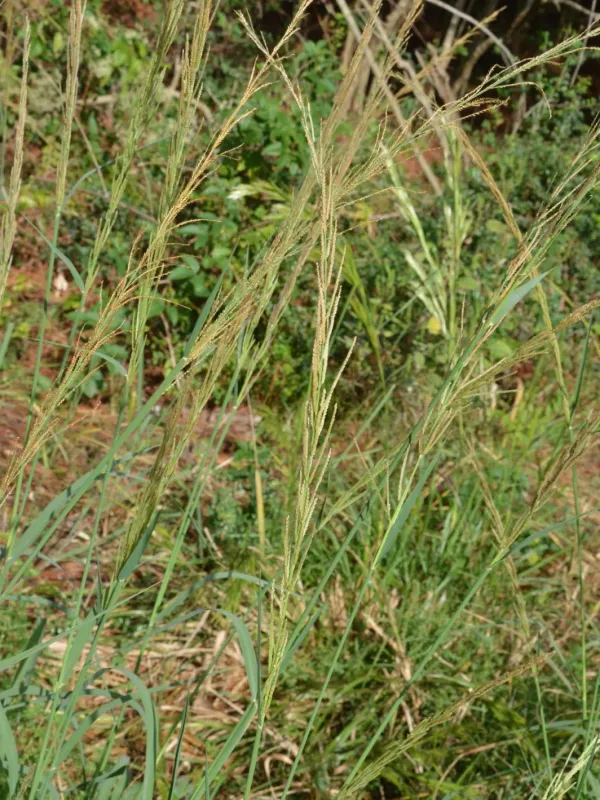
Description
Sowing dates
Sowing Leptochloa nealleyi is best performed in early spring once soil temperatures have consistently risen above 18 degrees Celsius.
The seeds should be planted at a shallow depth of approximately 1–2 centimeters, ensuring they remain in contact with moist, fertile soil.
Using a seed drill for uniform spacing allows for better resource distribution and prevents competition between neighboring plants during initial stages.
A seeding rate of roughly 10 kilograms per hectare is generally recommended to achieve optimal stand density without overcrowding.
Post-seeding compaction is vital to ensure good seed-to-soil contact, which significantly improves germination rates under variable spring conditions.
Growing requirements
Leptochloa nealleyi belongs to the Poaceae family, a group characterized by its adaptability to diverse environmental stressors.
This grass thrives in full sunlight, requiring consistent exposure to solar radiation to support its vigorous vegetative growth cycle.
It is notably resilient to waterlogged conditions, making it an excellent candidate for agricultural land that experiences frequent flooding.
While tolerant of various soil types, the plant prefers loamy soils with high organic matter content to maximize its biomass production.
The ideal pH range for this species is between 6.0 and 7.5, which supports efficient nutrient uptake and overall plant vitality.
Yield
Biomass production is heavily influenced by nitrogen availability and moisture levels during the peak growing season in late spring.
Under managed conditions, multiple harvests are possible, providing a consistent source of green fodder for livestock production.
Average dry matter yields typically range between 5 and 9 tons per hectare depending on fertility management and climatic conditions.
The nutritional profile remains high when nitrogen supplementation is provided, resulting in superior quality hay for cattle and small ruminants.
Strategic irrigation during dry spells can significantly stabilize yield fluctuations, ensuring a predictable harvest volume each year.
Main diseases and pests
Common agricultural pests for this species include cereal flies and moth larvae that feed on young succulent leaves and stem tissue.
Fungal pathogens such as rust and leaf spot can emerge in dense stands under high humidity, necessitating proper ventilation or spacing.
Effective management includes regular field scouting to identify pest pressure early and applying biological controls or targeted treatments.
Maintaining clear field borders and managing surrounding vegetation helps reduce the movement of pests into the main crop area.
Cultural practices, such as timely mowing, can disrupt the life cycles of many pests, providing a natural method for population control.
Harvesting
Harvesting for hay should occur at the onset of the heading stage to balance total biomass volume with the highest nutritional density.
Cutting the plant at an appropriate stubble height ensures that the root system remains vigorous for subsequent regrowth cycles.
Mechanized conditioners are highly recommended during harvesting to accelerate moisture loss and shorten the duration of field drying.
Storage should be conducted in climate-controlled or dry barns to prevent spoilage and maintain the digestibility of the forage material.
Consistent monitoring of moisture content during the baling process is essential to prevent self-heating and mold growth in stored hay bales.