
Leptochloa virgata
Leptochloa virgata
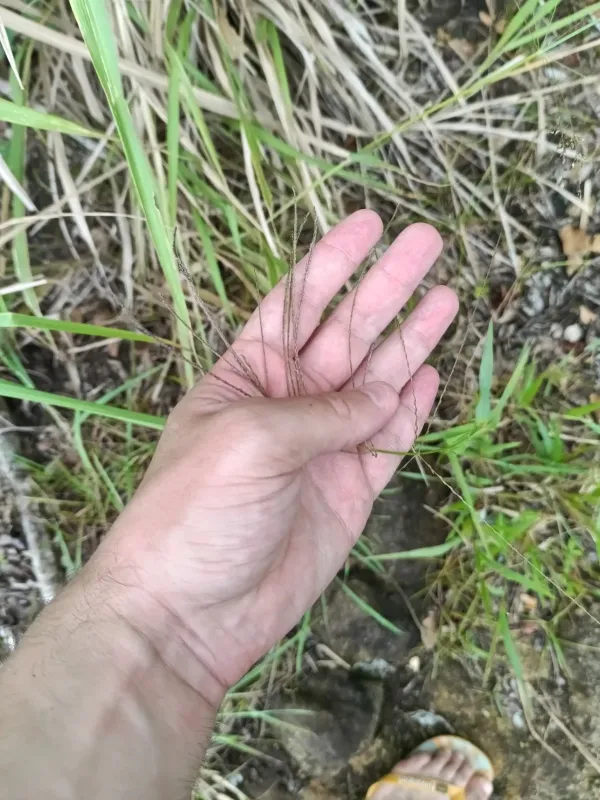
Description
Growing requirements
Leptochloa virgata is a perennial grass species belonging to the Poaceae family. Native to tropical and subtropical regions of the Americas, this plant is valued for its ability to produce significant biomass in varied climatic zones.
Regarding growing conditions, the plant thrives in environments with high rainfall and warm temperatures. It is highly adaptable to a wide range of soil types, though it performs exceptionally well in well-drained, fertile, and moist soils that prevent root rot while maintaining water access.
The botanical structure of the plant consists of robust culms and elongated, coarse leaves. Its growth habit allows it to form dense stands that effectively cover the soil surface, providing excellent protection against erosion.
Agronomically, the crop requires careful management of its growth cycles to optimize nutritional value. It is best harvested during the vegetative stage before the flowering stems become too lignified and lose their palatability for livestock.
The main agricultural use of this species is for grazing and silage production. Its nutritional profile makes it a viable forage option in tropical farming systems where rapid biomass production is essential for animal performance.
Main diseases and pests
Like many grasses, Leptochloa virgata is susceptible to fungal infections, particularly rust and leaf blight. These diseases are most prevalent during periods of high humidity and poor air circulation within the canopy of the crop.
Insect pests such as grasshoppers and leaf-chewing caterpillars are common threats. They can cause significant damage to the leaf area, thereby reducing the plant's ability to undergo photosynthesis and lowering overall forage yield.
Management practices for these threats prioritize cultural methods. Ensuring appropriate plant spacing is critical to maintaining air movement and reducing the incidence of fungal spores that thrive in stagnant, humid environments.
Integrated pest management (IPM) strategies are recommended. This includes regular field scouting to identify early signs of infestation and applying targeted controls only when damage thresholds are surpassed.
The long-term health of the field depends on maintaining soil fertility and moisture balance, as weakened plants are inherently more susceptible to pest pressure and secondary disease outbreaks.