
Brazilian satintail
Imperata brasiliensis Trin.
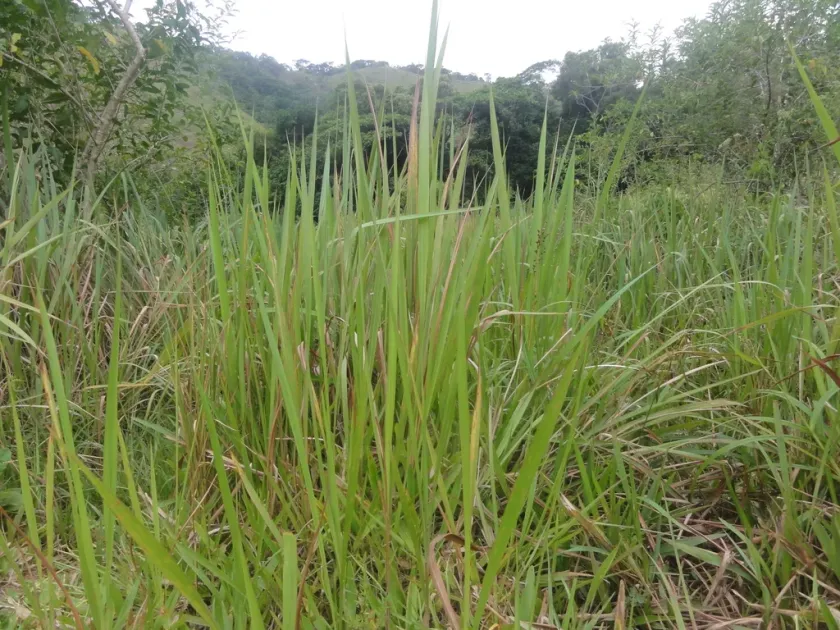
Description
Growing requirements
Brazilian satintail (Imperata brasiliensis) is a perennial grass species belonging to the family Poaceae. In an agricultural context, it is often recognized as a persistent, hardy grass occurring naturally in pastures across the Americas.
Native to tropical and subtropical regions of the Americas, this species has successfully adapted to a wide range of habitats, particularly those characterized by nutrient-poor, acidic, or degraded soils.
Botanically, it is defined by its extensive network of rhizomes, which allow the plant to spread aggressively. The leaves are typically erect and rigid, often covered in fine hairs, contributing to the plant's structural toughness.
The plant demonstrates excellent tolerance to soil acidity and low fertility levels. It thrives in open, sunny environments and possesses a notable capacity to withstand periodic drought conditions compared to more sensitive pasture grasses.
From an economic standpoint, its usage is confined to extensive grazing systems. While young shoots are palatable to livestock, mature plants become unpalatable due to high levels of silica, which can also cause wear on animal teeth.
Main diseases and pests
Pathogenic threats to Brazilian satintail include various fungal rusts (Puccinia spp.) that can colonize the foliage during prolonged wet seasons, leading to significant dieback of the above-ground biomass.
Insect pests include various lepidopteran larvae that specialize in feeding on Poaceae species. These pests can impact the total photosynthetic area, especially in dense, monocultural stands of the grass.
Due to its invasive potential, Imperata brasiliensis is frequently classified as a problematic weed. It competes vigorously with crops for water and mineral resources, often requiring intervention.
Management strategies involve a combination of mechanical removal and chemical control. Persistent cultivation is necessary to fragment the rhizomes and exhaust the plant's nutrient reserves over several seasons.
Integrated weed management programs often highlight the importance of shading and proper soil fertility balancing to reduce the competitive advantage that this species holds over desirable forage or crop varieties.