
Cogon grass
Imperata cylindrica (L.) Raeusch.
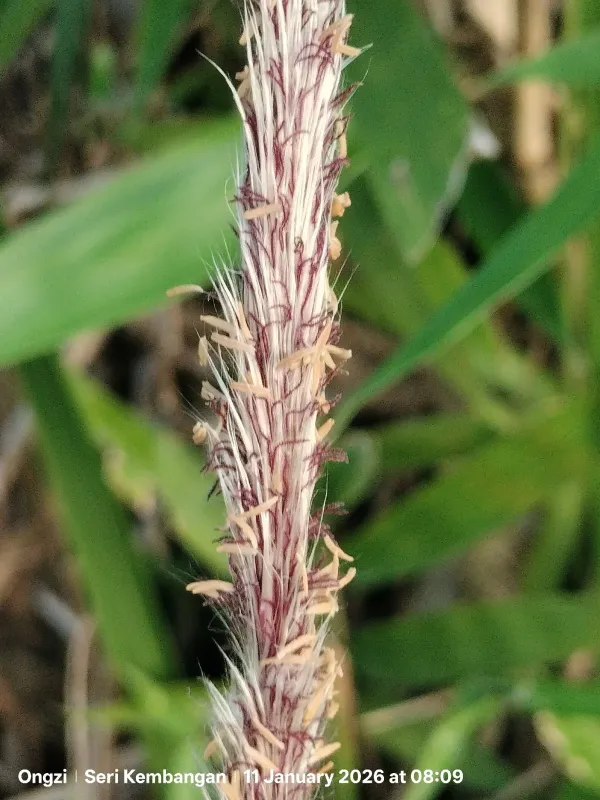
Description
Growing requirements
Cogon grass (Imperata cylindrica) is a perennial grass species belonging to the Poaceae family. While it is infamous globally as a highly invasive weed, specific cultivars are widely used in landscape design and ornamental horticulture.
The plant originates from tropical and subtropical regions of Asia. It features characteristic sharp-edged leaves and a complex underground network of rhizomes that allow it to spread rapidly across various types of terrain.
For successful cultivation, the plant requires full sun exposure to maintain the vibrant coloration of its foliage. Inadequate sunlight leads to a loss of the reddish pigment, causing the leaves to revert to a standard green color.
Soil requirements are relatively flexible, though the species thrives best in well-drained, sandy loam soils. It is highly intolerant of waterlogged environments, which inhibit root development and can cause rhizome decay.
Agricultural maintenance involves careful management of soil moisture. During the establishment phase, consistent watering is necessary, while mature plants demonstrate a significant level of drought tolerance.
Main diseases and pests
Cogon grass exhibits a high degree of natural resilience against many common agricultural pests and plant diseases, contributing to its status as a persistent invasive species.
Under specific environmental conditions such as high humidity and poor ventilation, it can be susceptible to various fungal pathogens including rusts (Puccinia spp.) which cause leaf spotting.
Pest outbreaks, such as aphids or grass-feeding beetles, are generally sporadic and rarely result in economic damage to the plant population under normal growing conditions.
Effective management against overgrowth involves systemic herbicide application, although the rhizome structure is often resistant to conventional control methods.
To ensure healthy growth in decorative settings, it is essential to monitor for leaf discoloration and maintain optimal air circulation to prevent fungal colonization during the peak summer months.