
Hare barley
Hordeum murinum L. subsp. leporinum (Link) Arcang.
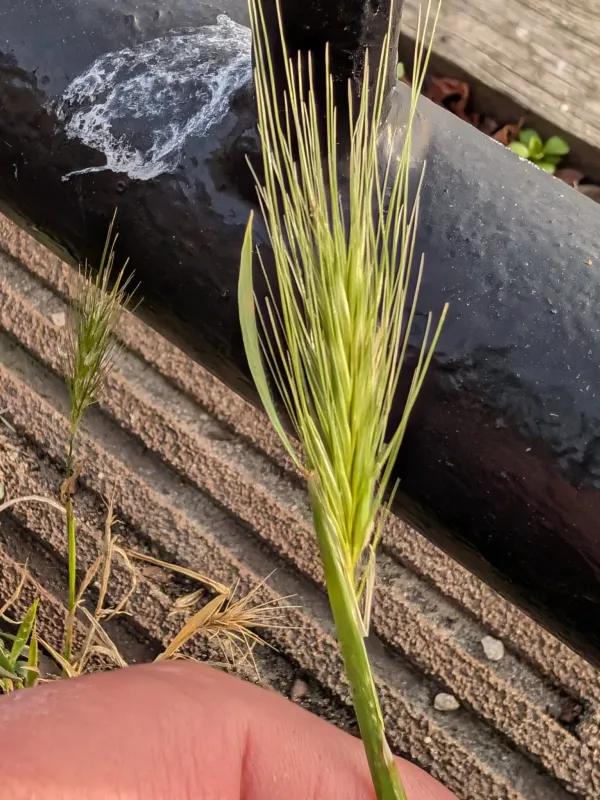
Description
Growing requirements
Hare barley (Hordeum murinum L. subsp. leporinum) is an annual grass species belonging to the Poaceae family. It is widely recognized as a robust, adaptive plant that thrives in disturbed soils and various urban or rural environments.
Originally native to the Mediterranean basin, it has successfully naturalized across temperate and subtropical regions globally. Its ability to colonize roadsides, waste areas, and degraded pastures has made it a common sight in modern landscapes.
The plant requires full sun exposure and generally prefers well-drained soils, although it shows remarkable tolerance to compact or slightly saline conditions. It grows vigorously during the cooler seasons, taking advantage of soil moisture before the onset of summer drought.
Climatic requirements are relatively flexible, allowing the species to persist in areas with mild winters and dry, warm summers. This phenological plasticity ensures the plant sets seed before environmental stress conditions become extreme.
While not a major commercial crop, hare barley serves as an emergency forage source during its early growth stages. However, as it matures, its sharp, barbed awns can cause physical injury to livestock, leading to significant economic management challenges in grazing lands.
Main diseases and pests
Hare barley is susceptible to common cereal pathogens, including powdery mildew and various species of rust (Puccinia). These infections can limit photosynthesis and reduce the overall vigor of the plant population during humid seasons.
Pests such as cereal aphids and grasshoppers are known to frequent populations of hare barley. Despite these pressures, the plant exhibits high resilience and remains a persistent presence in many ecosystems, often requiring active control measures to mitigate its spread in cultivated crops.