
Bahia lovegrass
Eragrostis bahiensis
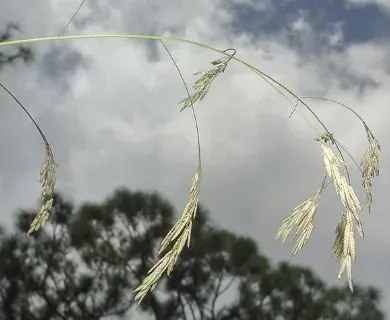
Description
Growing requirements
Bahia lovegrass (Eragrostis bahiensis) is a robust perennial grass species belonging to the Poaceae family. Native to South America, particularly Brazil and Argentina, this species has gained recognition as a valuable forage crop in subtropical and tropical agricultural systems.
The plant is highly adaptable to various environmental conditions, exhibiting significant drought tolerance once established. It thrives in regions with intense sunlight and is specifically noted for its ability to grow in low-fertility, acidic, and sandy soils where other forage species often fail.
Botanically, Bahia lovegrass grows in dense tufts with narrow, linear leaf blades and a distinct panicle inflorescence. Its root system is deep and expansive, which not only assists in moisture uptake during dry spells but also provides excellent soil stabilization in erosion-prone areas.
From an agronomic perspective, this grass is prized for its year-round productivity in suitable climates and its resilience to grazing pressure. It serves as a reliable source of forage for livestock, maintaining nutritional quality even when other grasses begin to lignify.
The management of this crop requires minimal effort, though it responds positively to nitrogen fertilization to boost vegetative growth. Proper pasture management, such as implementing rotational grazing cycles, is essential to prevent overgrazing and maintain the vigor of the grass sward.
Main diseases and pests
Bahia lovegrass is susceptible to various fungal pathogens, particularly rusts and leaf spots, which typically appear during periods of prolonged high humidity and poor field ventilation.
Common agricultural pests include various species of grasshoppers and leafhoppers that can compromise plant health by feeding on the leaves, leading to chlorosis and stunted growth.
To mitigate these threats, integrated pest management (IPM) practices, including the regular removal of plant debris and maintaining optimal sward density, are highly recommended to prevent the buildup of pest populations.
The use of fungicides or insecticides is generally reserved for severe outbreaks, as environmental sustainability is a priority in the cultivation of perennial forage grasses.
Enhancing plant health through strategic soil fertility management remains the most effective long-term defense against both biotic and abiotic stressors, ensuring consistent yields over many years.