
Wild barley
Hordeum spontaneum K. Koch
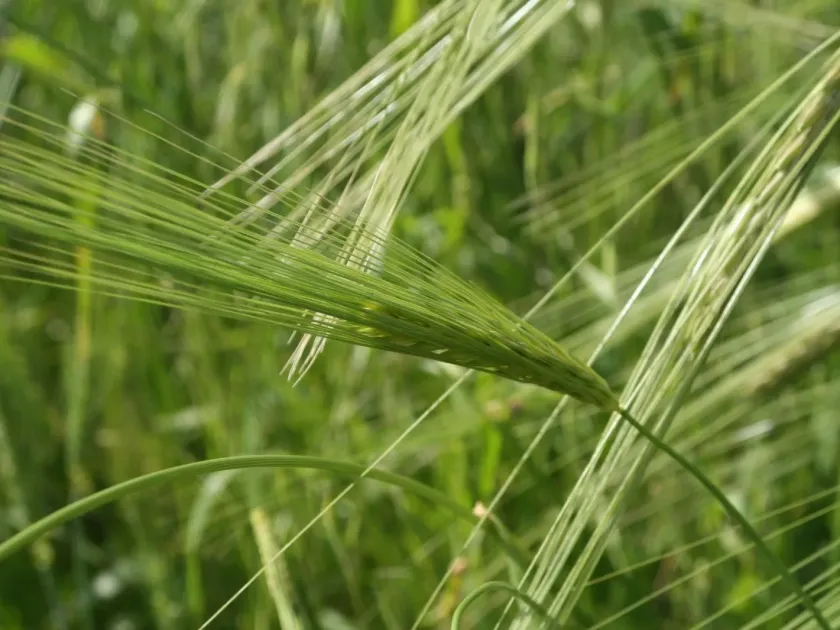
Description
Growing requirements
Wild barley (Hordeum spontaneum) is a wild annual grass species within the Poaceae family, widely recognized as the direct progenitor of domesticated barley. It is native to the Fertile Crescent region, spanning parts of the Middle East, Central Asia, and the Caucasus.
The plant is highly adapted to arid and semi-arid environments. It thrives in open, sunny locations with well-drained, often rocky or calcareous soils, displaying remarkable resilience to drought and soil salinity compared to its cultivated descendants.
Morphologically, wild barley is characterized by a fragile rachis, which allows the spike to shatter upon maturity, facilitating seed dispersal. The seeds possess long, serrated awns that assist in burying the grain into the soil, ensuring successful germination for the next season.
Regarding climatic needs, the species requires moderate temperatures for germination and a significant amount of solar radiation during its reproductive stage. Its life cycle is synchronized with the seasonal availability of moisture, allowing it to complete seed development before extreme summer heat occurs.
In contemporary agronomy, Hordeum spontaneum is valued as a crucial genetic resource. Breeders extensively utilize its wild traits, such as drought tolerance and resistance to various diseases, to improve the resilience and nutritional quality of modern commercial barley varieties.
Main diseases and pests
Wild barley populations are naturally susceptible to common cereal pathogens, including powdery mildew, leaf rust, and net blotch, which can affect its overall vigor in moist, temperate conditions.
The plant is often affected by typical cereal pests such as aphids, cereal beetles, and various species of stem borers that target the vegetative parts and the developing seed head.
As a reservoir for pathogens, the species can potentially harbor viral diseases that pose a risk to nearby agricultural fields, necessitating careful management in proximity to crop lands.
Despite being exposed to these threats, the species maintains high levels of genetic diversity, which allows it to naturally adapt and survive outbreaks that might devastate uniform monocrop systems.
Management of the species in agricultural zones often involves physical control methods to prevent it from becoming a weed, though its ecological role in natural habitats remains beneficial for biodiversity.