
Helictotrichon tenuifolium
Helictotrichon tenuifolium
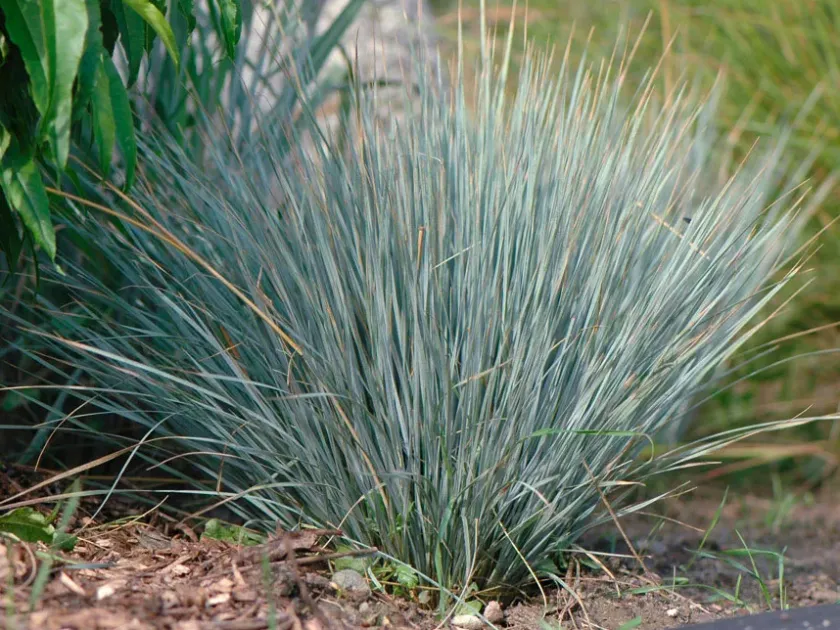
Description
Sowing dates
Sowing Helictotrichon tenuifolium is best performed in the spring when soil temperatures reach stable levels, or in late summer to ensure deep root establishment.
Seeds should be sown at a shallow depth of approximately 1-2 cm, as they are relatively small and require optimal soil-to-seed contact for successful germination.
Prior to sowing, it is often beneficial to provide a cold stratification period for the seeds to overcome dormancy and improve the uniformity of sprout emergence.
Maintaining a consistent moisture level in the seedbed is critical during the first few weeks after sowing, especially in dry weather conditions.
Density of sowing should be adjusted based on the intended use; spacing between plants must allow for adequate airflow to reduce humidity around the base of the plant.
Growing requirements
Helictotrichon tenuifolium is a perennial grass species belonging to the Poaceae family, characterized by its fine-textured foliage and high drought tolerance.
This species thrives in well-drained, nutrient-poor soils and is highly adapted to sunny, exposed locations where it can fully develop its natural architectural shape.
Soil structure is of primary importance; heavy clay soils must be amended with grit or sand to prevent waterlogging, which the plant cannot tolerate.
The plant is resilient to a wide range of temperatures, making it a reliable perennial in temperate climates, provided the soil remains free-draining during winter.
Fertilization should be kept to a minimum; excessive nutrients stimulate lush, weak growth that reduces the grass's aesthetic appeal and structural integrity.
Yield
While primarily grown for ornamental purposes in professional landscaping, the biomass yield of Helictotrichon tenuifolium is secondary to its visual consistency and health.
When managed as a seed crop, yields depend heavily on the maturity of the panicles and the timely harvesting of seeds before natural dispersal occurs in the field.
Plant vigor remains high for several years, with the highest quality foliage and floral display usually observed in the second or third year after establishment.
Proper maintenance, such as trimming back old foliage in late winter or early spring, is necessary to sustain the vigor and future growth potential of the stand.
Sustainable productivity is linked to the removal of weeds and competing species, which ensures that the grass does not become stunted due to resource competition.
Main diseases and pests
Root rot is the most significant threat to this species, almost always resulting from poor drainage or excessive irrigation practices that keep the root zone saturated.
Fungal pathogens such as rusts may occur in environments with high humidity and stagnant air, often exacerbated by planting in overcrowded, poorly ventilated areas.
Insect pests, including aphids and spider mites, can cause damage to the leaves, leading to chlorosis or stunted development if left unmanaged during the peak season.
Proper field hygiene, including the removal of dead organic material, helps to reduce the survival rate of pests and spores during the dormant season.
Regular monitoring for signs of stress or pest infestation is essential for maintaining the longevity of the stand in both decorative and specialized planting scenarios.