
Helictotrichon neesii
Helictotrichon neesii
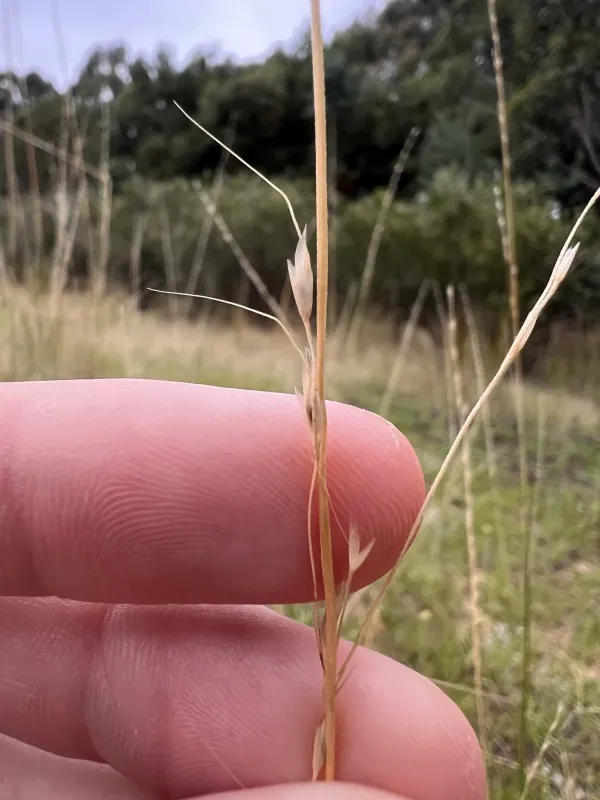
Description
Sowing dates
The ideal time for sowing Helictotrichon neesii is during early spring, once the soil has warmed to a suitable temperature, typically between 5 and 10 degrees Celsius. This timing ensures that the seedlings have ample moisture to establish their root systems before the onset of summer heat.
Alternatively, late autumn sowing can be performed shortly before the first frost. This method leverages natural stratification, often leading to more vigorous growth in the subsequent spring as the seeds have already broken dormancy during the colder months.
Sowing density typically ranges between 12 and 18 kilograms per hectare, depending on soil fertility and the intended use of the land. Using high-quality certified seeds is essential for ensuring uniform emergence and minimizing the prevalence of weeds.
Seeds should be placed at a shallow depth of approximately 1 to 2 centimeters. Proper soil-to-seed contact is paramount, which is why post-sowing rolling is highly recommended to improve water retention and accelerate the germination process.
Monitoring the field during the establishment phase is critical. In the first year, the crop focuses on building vegetative volume and root biomass, so providing weed control during this initial stage will lead to a more successful and long-lasting stand.
Growing requirements
Helictotrichon neesii is a perennial grass species belonging to the Poaceae family. It is recognized for its robust growth habit and is utilized primarily as a forage crop in various agricultural systems due to its high nutritional profile.
The native range of this species extends across temperate climates, where it exhibits significant drought tolerance. The plant prefers well-drained soils and is particularly adept at establishing itself in diverse soil types, ranging from sandy loams to heavier clay-based substrates.
Botanically, the species is characterized by its deep root system, which allows it to access water reserves during dry spells. Its winter hardiness is a notable trait, enabling it to persist through freezing conditions that would be detrimental to less resilient grass species.
Optimal growth is achieved in environments with moderate to high sun exposure, as the plant requires significant light to sustain its vegetative biomass production. It is generally tolerant of neutral to slightly acidic pH levels, making it versatile for many farming environments.
In addition to its hardiness, Helictotrichon neesii is valued for its regrowth capabilities. After grazing or mowing, the plant recovers efficiently, maintaining its place within a healthy, multi-year pasture or meadow rotation.
Yield
The productivity of Helictotrichon neesii increases significantly from the second year onwards. As a perennial crop, its ability to accumulate biomass improves as the root system matures and the stand density stabilizes within the field.
Yields of dry matter can range from 30 to 50 quintals per hectare, contingent upon weather conditions and the application of nitrogenous fertilizers. Balanced fertilization regimes are key to achieving the maximum potential of this grass species.
Frequency of harvesting affects the overall yield. A two-cut system is common for hay production, while rotational grazing can be employed to utilize the grass throughout the growing season. Proper management ensures consistent protein levels for livestock.
In terms of forage quality, the grass offers a well-balanced ratio of crude protein and digestible fiber. This makes it an excellent choice for maintaining cattle and sheep, particularly when harvested at the peak of its vegetative nutritional value.
For seed production, yields are generally lower but highly valuable for farm-saved planting material. Proper timing of the harvest ensures that the seeds are fully mature, preventing significant losses due to pre-harvest shattering.
Main diseases and pests
Helictotrichon neesii is generally resistant to many common grass diseases, but it is not immune. In humid conditions, fungal pathogens like rust can affect the leaf surface, potentially reducing the overall quality of the forage.
Insects such as aphids and various cereal flies are the primary pests that may threaten the crop. They can cause damage to the succulent stems and leaves, particularly when the grass is in its early stages of growth or during a prolonged period of high humidity.
To mitigate these threats, maintain optimal plant spacing to promote airflow through the stand, as damp and crowded conditions favor disease development. Regular scouting of the fields will allow for early detection and targeted management.
Chemical intervention should be used cautiously, adhering to integrated pest management practices to protect beneficial insects. Often, maintaining a healthy, vigorous stand through proper fertilization and mowing is the best defense against pests.
Implementing a proper crop rotation strategy helps to break the life cycles of soil-borne pests. By ensuring that the land is not continuously occupied by the same grass species, farmers can reduce the build-up of specialized disease organisms.
Harvesting
The timing of harvest is critical for forage quality. For hay, the optimal window is early heading, before the stems become too lignified and the nutritional content of the leaves begins to decline due to translocation of nutrients into the seeds.
Effective drying is required for high-quality hay production. The grass should be spread out to cure in the sun, with the goal of reaching a final moisture content of 15 to 17 percent before baling to prevent storage mold.
For seed harvesting, the crop must reach physiological maturity, indicated by the browning of the panicles. Utilizing combine harvesters with precise settings is necessary to minimize seed damage and loss during the threshing process.
Post-harvest storage requires clean, dry, and well-ventilated areas. Maintaining low moisture in the storage facility preserves the viability of the seeds and prevents the degradation of any stored hay fodder.
In pasture systems, rotational grazing is the preferred harvest method. Moving livestock between paddocks allows the grass to recover, ensuring that the Helictotrichon neesii stand remains productive and weed-free for many years.