
Gastridium phleoides
Gastridium phleoides
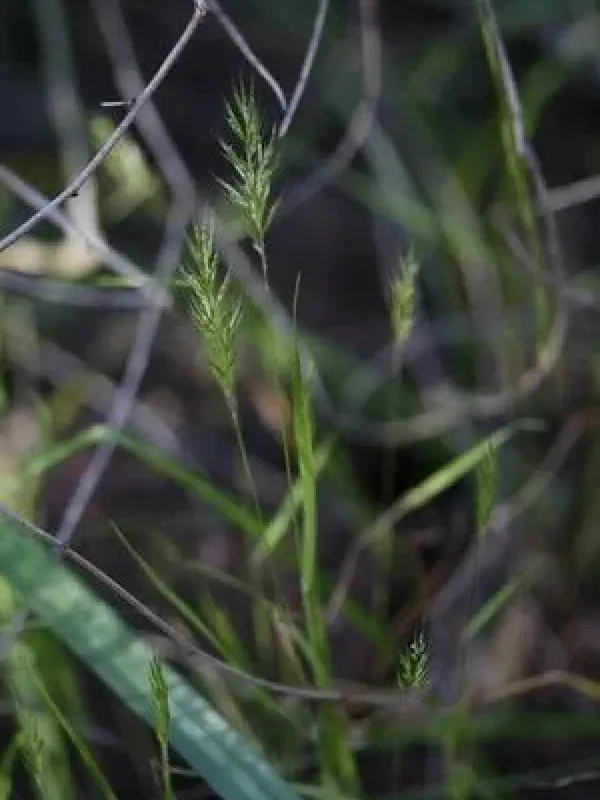
Description
Sowing dates
Gastridium phleoides is an annual grass that thrives when established in well-prepared, loose soil. The optimal sowing time is during early spring when soil moisture is sufficient to support germination.
The seeds are small and require shallow placement, typically at a depth of 1 to 2 centimeters. Proper seedbed preparation is essential to ensure uniform emergence and competitive growth.
In farming practice, this crop is often integrated into pasture mixes. Successful establishment relies on optimal seed density, which prevents overcrowding and competition for resources.
Post-seeding compaction of the soil is highly recommended to improve moisture capillary action around the seeds, which significantly boosts germination rates under variable weather.
Once established, the seedlings are resilient, but initial weed control is vital until the grass fully covers the surface area to outcompete unwanted vegetation.
Growing requirements
Belonging to the Poaceae family, Gastridium phleoides is adapted to diverse Mediterranean climates. It prefers well-drained, sandy, or light loam soils where waterlogging is not an issue.
The species exhibits remarkable drought tolerance, allowing it to remain productive during periods of low rainfall that would otherwise stress more sensitive forage crops.
It performs best in neutral to slightly acidic soil conditions. While it is adaptable, it does not tolerate saline soils or heavy clays that retain excessive water during the dormant season.
Full sun exposure is necessary for the plant to achieve its potential biomass. Shaded environments cause the plants to become spindly and weaken their overall root structure.
Fertilization management should focus on maintaining a balanced supply of nitrogen to promote vigorous vegetative growth without encouraging excessive leaf senescence.
Yield
The yield of Gastridium phleoides is primarily measured in terms of nutritious biomass for livestock grazing. It serves as an excellent early-season pasture crop.
Peak nutritional value is obtained during the vegetative stage. Once the reproductive phase begins and stems mature, the digestibility for livestock decreases significantly.
As a pasture component, it contributes to soil stability and prevents erosion, especially on marginal land where high-intensity crops struggle to survive.
Regrowth potential is high if grazing intensity is managed correctly. Rotational grazing patterns allow the grass to recover effectively between livestock access cycles.
Yield stability is generally consistent across different years, provided that minimum moisture requirements are met during the critical stages of spring development.
Main diseases and pests
The crop is susceptible to fungal diseases such as rusts and powdery mildew, particularly in seasons with high atmospheric humidity or poor air circulation.
Pests like aphids can cause significant damage to young succulent foliage, leading to stunted growth and yellowing of the plants if left unmanaged.
Weed competition remains a primary threat during the initial stages of establishment, necessitating effective field hygiene and potentially manual or mechanical control.
Monitoring the field for signs of insect or pathogen activity is a standard agronomic practice to avoid yield loss through timely intervention or rotation adjustments.
Excessive soil compaction from livestock overgrazing can destroy the root system and reduce the long-term persistence of the grass stand in the field.
Harvesting
Harvesting is usually synonymous with livestock grazing. Proper management involves letting animals into the pasture before the stems reach the hardening phase.
For seed production, direct combining is the standard method. Timing is critical to harvest when seeds are mature but before they naturally shatter or disperse.
Cleaned seeds must be dried to a moisture content appropriate for long-term storage to prevent fungal outbreaks in warehouses and loss of germination potential.
After seed harvest, crop residues can be integrated into the soil as a mild green manure, providing a slight boost to organic matter content in the following cycle.
Efficient storage facilities are necessary for maintaining high seed quality, ensuring that the next year's planting achieves the desired population density.