
Eriochloa polystachya
Eriochloa polystachya Kunth
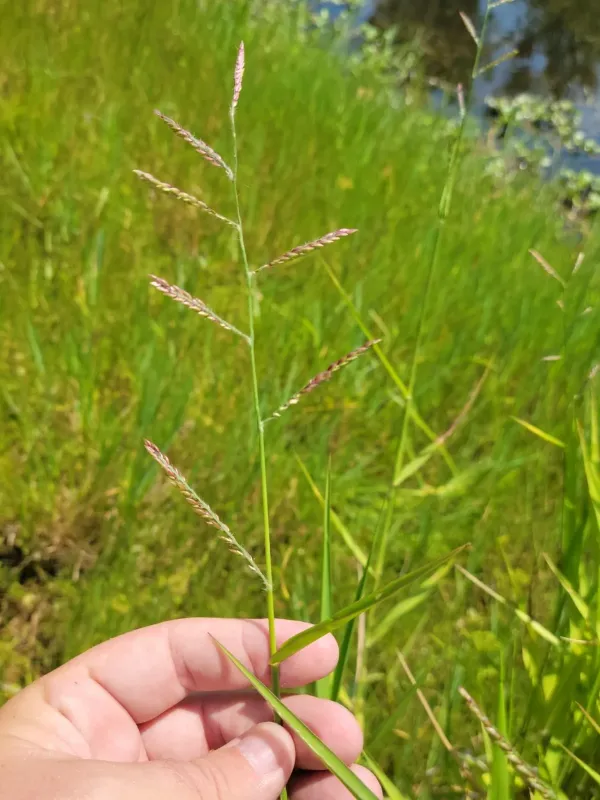
Description
Growing requirements
Eriochloa polystachya, commonly known as Caribbean cupgrass, is a perennial grass belonging to the Poaceae family. It is native to tropical and subtropical regions of the Americas and is well-adapted to warm, humid environments.
This species is highly valued for its tolerance to waterlogged soils and seasonal flooding. It thrives in low-lying areas, swamps, and marshes where other forage species might fail to establish a healthy population.
The plant grows best in fertile, moist soils but shows remarkable adaptability to a range of textures, including heavy clays. It requires consistent high temperatures and is strictly limited by frost susceptibility.
Botanically, it features spreading or ascending stems that can root at the nodes when touching moist soil, facilitating rapid vegetative propagation and the formation of a dense, protective ground cover.
As a warm-season grass, its physiological processes are optimized for high light intensity and long days. This rapid growth rate makes it a competitive species in its native range, effectively suppressing invasive weeds.
Yield
The primary economic use of Eriochloa polystachya is as a high-quality forage crop for grazing livestock. It is highly palatable and provides a balanced nutritional profile for ruminants.
Under managed conditions, including adequate moisture and nutrient availability, it can support multiple grazing rotations or cutting cycles per season. The regrowth potential is one of its most desirable agronomic traits.
It provides an excellent biomass yield, which is essential for intensive livestock operations. Farmers often use it to stabilize forage availability during the peak growing season in tropical climatic zones.
Proper grazing management is critical to maintaining the stand's longevity. Overgrazing can deplete the plant's carbohydrate reserves, leading to reduced vigor and yield in subsequent growth cycles.
Although it can be harvested for hay, it is most efficient when utilized as fresh pasture. Its nutritional quality remains high when harvested at the appropriate vegetative stage before seed head maturation.
Main diseases and pests
Like many grasses grown in humid conditions, Eriochloa polystachya may be susceptible to various fungal pathogens. Leaf spots and rust diseases can occur when air circulation is poor or humidity is excessively high.
Insect pests that target Poaceae species can occasionally impact yield. These include various stem borers and sucking insects that feed on the sap and foliage during the peak growing phase.
Preventive agronomic practices are the first line of defense. Ensuring appropriate stocking rates and using rotation schedules prevents the accumulation of old, decaying plant matter that could harbor pathogens.
When chemical intervention is necessary, the timing of application must be strictly coordinated with the grazing schedule to ensure the safety of the livestock and compliance with residual requirements.
Regular field scouting is essential to identify pest outbreaks early. Implementing integrated pest management strategies helps maintain a healthy balance and protects the long-term productivity of the pasture.