
Elionurus muticus
Elionurus muticus
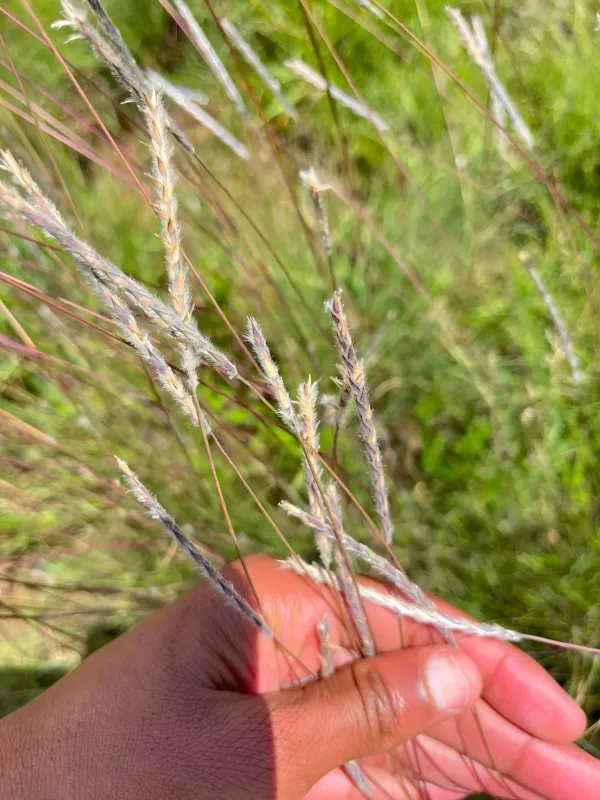
Description
Growing requirements
Elionurus muticus is a perennial grass species belonging to the Poaceae family. It is native to the vast grassland regions of South America, primarily covering parts of Argentina, Brazil, and Uruguay, where it serves as a cornerstone of the natural ecosystem.
This crop is highly adapted to tropical and subtropical climates, demonstrating significant resilience against long periods of drought. Its physiological mechanisms allow it to thrive in conditions where rainfall is seasonal and sporadic.
Regarding edaphic requirements, Elionurus muticus performs well in poor, sandy, and acidic soils. Unlike intensive crops that require significant fertilization, this grass can maintain its vigor in nutrient-depleted environments, acting as a soil stabilizer.
Botanically, the plant grows in dense bunches, which protects the soil surface from erosion and helps retain moisture. Its root system is deep and robust, allowing the plant to survive harsh environmental conditions throughout the year.
From an agricultural standpoint, it is mainly utilized as natural forage for livestock. While its nutritional quality varies throughout the growing season, it remains a vital feed source in regions where other forage crops fail to survive.
Main diseases and pests
The primary threats to the productivity of Elionurus muticus include fungal diseases, which can become prevalent under conditions of high humidity. These infections can damage foliage and reduce the overall biomass available for grazing.
Insect pests, such as various types of leaf-hoppers and grasshoppers, represent a chronic challenge. Excessive pest pressure can hamper vegetative regrowth, especially after the grass has been grazed or mowed.
Overgrazing stands as a critical management threat. If the stocking rate is too high, the plants cannot regenerate effectively, leading to the thinning of the stand and the eventual invasion of non-palatable opportunistic weed species.
Fire, while a natural part of the grassland ecology, can become a threat if it occurs with too high a frequency. Extreme fires damage the crown of the plant, hindering its ability to produce new shoots during the subsequent growing season.
To maintain a healthy stand, farmers should implement a rotational grazing system. This approach allows the plant to recover, prevents soil compaction, and ensures that the forage remains productive throughout the agricultural cycle.