
Eleusine africana
Eleusine africana
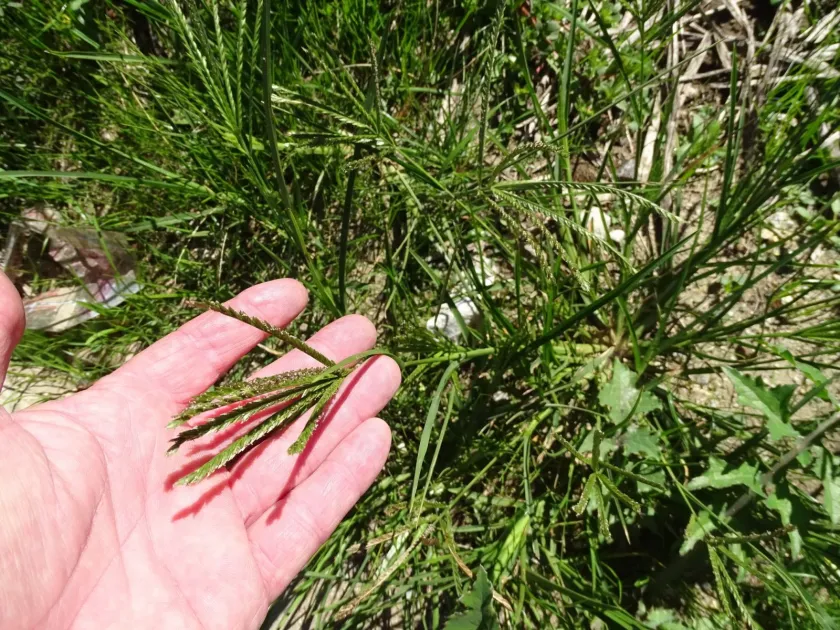
Description
Sowing dates
The sowing window for Eleusine africana is determined by soil temperature, which should reach at least 15-20 degrees Celsius to ensure rapid germination. Typically, this occurs in the spring season.
Soil preparation is essential for success. A fine, firm seedbed should be created to maximize seed-to-soil contact, as the seeds are quite small and sensitive to deep burial.
Seeding depth should be kept shallow, generally within 1 to 2 centimeters. Using precision seed drills ensures uniform density and improved crop emergence across the entire field.
In drier regions, moisture conservation techniques such as minimal tillage are recommended to help the seedlings establish before the onset of hotter weather.
After seeding, rolling the soil can improve moisture retention. Early weed management is vital, as slow seedling growth in the first few weeks makes it vulnerable to competitive weeds.
Growing requirements
Eleusine africana is an annual grass species belonging to the Poaceae family. It is botanically closely related to the widely cultivated finger millet (Eleusine coracana), sharing similar growth habits and environmental adaptability.
Originating from the tropical and subtropical regions of Africa, this plant has spread across many warm temperate areas. It is valued for its hardiness, high biomass production, and ability to thrive in diverse soil conditions.
The plant performs best in full sunlight and prefers well-drained soils. While it has moderate drought tolerance, it reaches maximum productivity when moisture is available during the active vegetative growth phase.
It is not highly demanding regarding soil fertility, successfully growing in various textures including sandy loams and clays. However, it requires a neutral soil pH for optimal nutrient uptake and root development.
Its biological resilience allows it to compete effectively in various ecosystems, which is why it is often studied both as a potential forage crop and an opportunistic colonizer in agricultural settings.
Yield
Eleusine africana is highly productive when used as a forage crop. It offers rapid regrowth after mowing, which allows for multiple harvests per growing season under favorable moisture and fertilization conditions.
The nutritional profile of the biomass makes it suitable for livestock grazing, providing a good balance of fiber and essential nutrients during the summer peak.
Grain production is possible, although yields depend on the specific environmental stress levels and the intensity of farm management inputs provided during the grain-filling stage.
Fertilizer application, particularly nitrogen, significantly boosts yield. Studies suggest that split applications can maximize vegetative output, especially in intensive rotational systems.
Yield management also involves choosing the right time for harvest to balance the total volume of biomass against the protein concentration within the plant tissue.
Main diseases and pests
Disease risks include common fungal issues affecting cereals, such as leaf spot and various smuts. Crop rotation remains the most effective management strategy to break the infection cycle.
Insect pests, including aphids and various grass-feeding larvae, can affect the crop by damaging the leaves or stems, potentially reducing the overall quality of the forage.
Root pathogens may become an issue in poorly drained fields or after prolonged periods of waterlogging. Ensuring proper field drainage is a critical preventive measure.
Monitoring the field for pest density is necessary before resorting to chemical controls. Integrated Pest Management (IPM) practices help maintain ecological balance.
Maintaining high hygiene standards in the field, including the removal of infected plant residues after harvest, helps minimize the overwintering of pathogens and pests.