
Elionurus ciliaris
Elionurus ciliaris
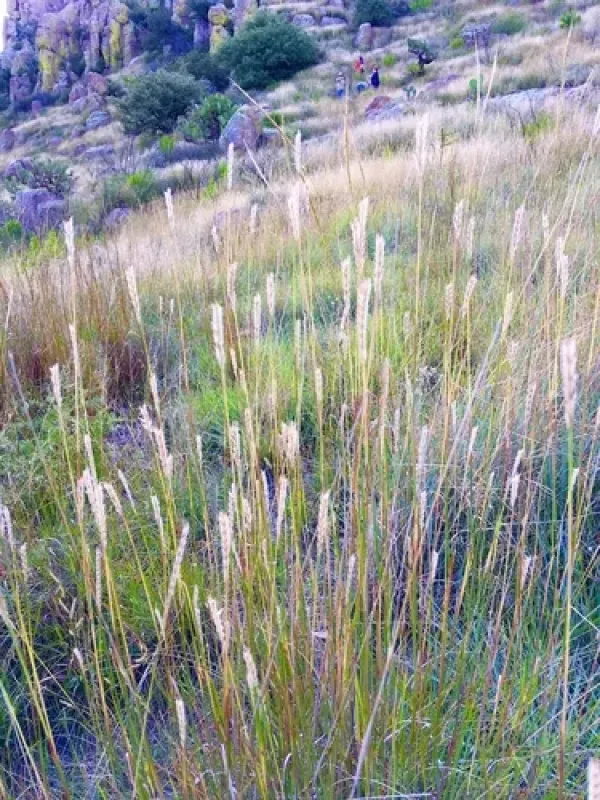
Description
Growing requirements
Elionurus ciliaris is a perennial grass species belonging to the Poaceae family. It is recognized for its adaptation to tropical and subtropical environments, where it serves as a robust component of native grasslands.
The plant requires well-drained, porous soil types to thrive, as it is highly sensitive to waterlogging. It is particularly valued for its drought tolerance, allowing it to remain productive in regions with irregular rainfall patterns.
Exposure to full sunlight is essential for the biomass production of Elionurus ciliaris. High photosynthetic rates are achieved during hot, sunny periods, provided that essential nutrient levels are maintained in the soil.
Botanically, it features narrow, elongated leaves and a tufted growth habit. The root architecture is deep and expansive, which allows the plant to access moisture in deeper soil horizons during dry spells.
In agricultural practice, this crop is primarily used as high-quality forage for livestock. Proper nitrogen management is crucial for maximizing yield, ensuring that the grass provides sufficient protein levels for cattle.
Main diseases and pests
Pathogenic fungi represent the most significant threat to Elionurus ciliaris crops, particularly during prolonged periods of excessive atmospheric or soil moisture. Root decay is a common issue under these conditions.
Pest populations, including various species of aphids and root-feeding larvae, can cause substantial damage to young stands. Early detection through regular field scouting is critical for effective management.
Chemical control measures should be applied selectively to maintain ecological balance. Integrated Pest Management (IPM) strategies, including biological controls, are recommended to sustain long-term productivity.
Crop rotation and soil pH adjustment to the 5.5–7.0 range help minimize the incidence of soil-borne diseases. Maintaining a healthy stand through appropriate grazing intervals also reduces the risk of pest outbreaks.
Preventive maintenance of machinery and tools prevents the spread of pathogens between plots. By providing optimal growing conditions, growers can naturally enhance the plant's defense mechanisms against common threats.