
Eleusine tristachya
Eleusine tristachya
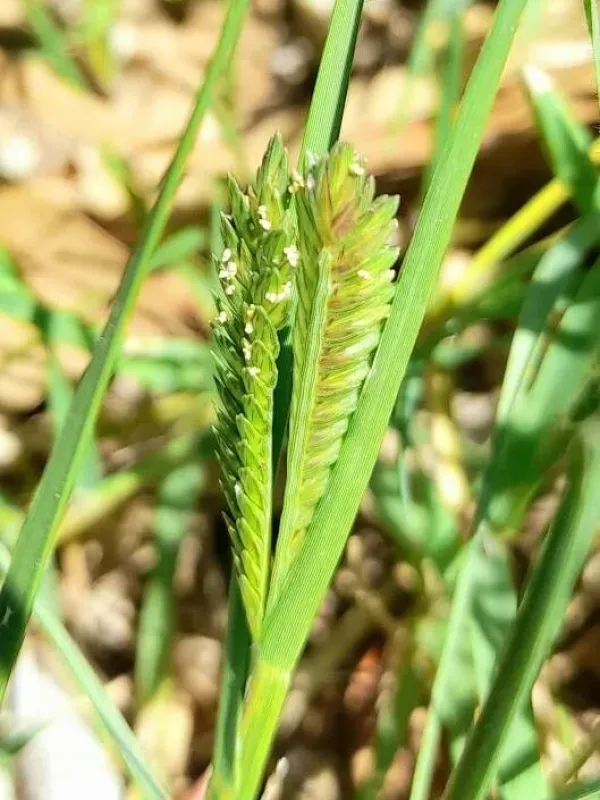
Description
Sowing dates
Eleusine tristachya belongs to the Poaceae family. It is a perennial or annual herbaceous plant, primarily recognized as a promising forage crop suitable for regions with temperate to subtropical climates.
The optimal sowing time occurs when the soil warms up to 12–15 degrees Celsius. In areas with sufficient moisture, sowing is conducted in the spring, allowing plants to establish a robust root system before the onset of intense summer heat.
The seeding rate is calculated based on the intended use of the sward and typically ranges from 8 to 12 kg per hectare. The sowing depth should not exceed 1–2 centimeters, as the seeds are quite small and require shallow placement to germinate successfully.
A crucial step in field preparation is rolling the soil after sowing to ensure firm contact between the seeds and the soil surface. This practice promotes uniform emergence and rapid seedling establishment during the early vegetative phase.
In natural settings, the plant spreads actively through seeds. Therefore, in managed cultivation, it is necessary to monitor stand density to prevent gaps in the sward or excessive overcrowding of the crops.
Growing requirements
The crop prefers well-lit areas and exhibits high resistance to short-term drought periods, making it suitable for cultivation in regions with irregular precipitation patterns.
Eleusine tristachya is not overly demanding regarding soil fertility; however, it achieves the best results on loamy and sandy soils with a neutral to slightly acidic pH. It is capable of withstanding moderate soil compaction in the upper layers.
For optimal development, the plant requires adequate sunlight. Excessive shading by taller crops or weeds significantly affects biomass accumulation and the overall quality of the forage produced.
The plant possesses moderate salinity tolerance, which allows it to be used in the reclamation of land with mild salt stress. Nevertheless, extreme waterlogging of the soil should be avoided, as it can lead to root system decay.
An optimal pH level for cultivation is between 6.0 and 7.5. The application of mineral fertilizers, particularly nitrogen, significantly accelerates biomass growth during the active tillering period.
Yield
Economic use of this plant is primarily focused on obtaining high-nutrition green forage for livestock. It regrows effectively after mowing, which allows for multiple harvest cycles throughout a single growing season.
The yield of green biomass depends heavily on the level of agronomic management and irrigation practices. Under intensive cultivation technologies with proper fertilization, yield performance increases significantly.
In addition to pasture use, the plant can be utilized for high-quality hay production if harvesting occurs before the stems reach a stage of lignification (hardening).
The plant is known for good palatability among livestock, making it a valuable component in pasture mixtures. The foliage contains a comprehensive profile of essential amino acids and minerals.
When pasture management guidelines are followed, Eleusine tristachya can maintain productivity over several seasons, effectively recovering the sward structure after grazing activities.
Main diseases and pests
The primary threats to this crop include fungal diseases that flourish in high-humidity conditions or poor field aeration. Specifically, rust infections can significantly reduce the volume and quality of marketable biomass.
Pests such as cereal aphids and various species of cutworms can damage seedlings during the early stages of development. Regular phytosanitary monitoring is essential for the timely detection of pest hotspots.
Weeds are the main competitors of this crop, especially during the first few weeks of life. The use of selective herbicides helps maintain crop purity and minimizes yield losses caused by weed pressure.
Mismanagement of grazing intensity and overstocking pastures leads to the depletion of nutrient reserves in the rhizomes, which can cause premature plant mortality during the winter dormant period.
Disease prevention strategies include strict crop rotation practices and timely harvesting. The application of fungicides is justified only when the economic threshold of pest or pathogen damage is exceeded.