
Elionurus glaber
Elionurus glaber
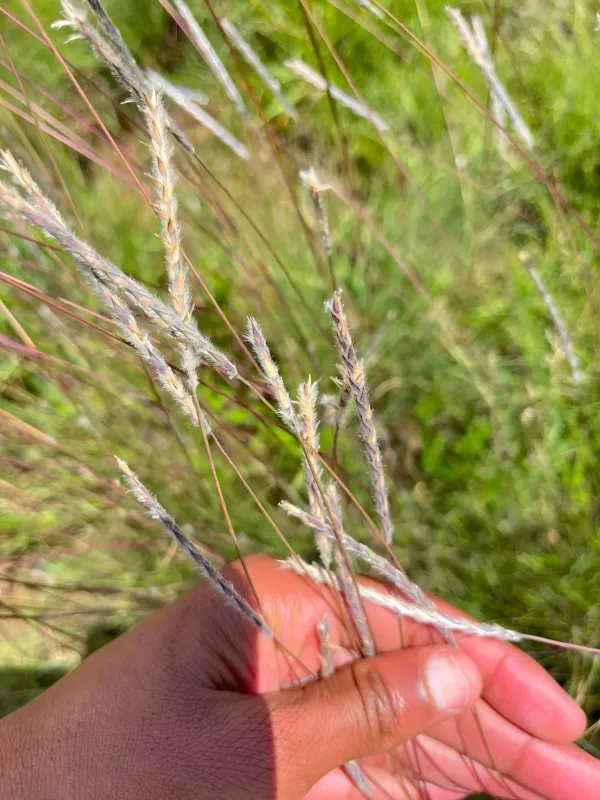
Description
Sowing dates
Elionurus glaber is a perennial grass species belonging to the Poaceae family, known for its robustness in various challenging environmental conditions.
Sowing should be performed when the soil is warm enough to trigger germination, typically at the start of the rainy season in tropical or subtropical regions.
The field must be properly prepared by tilling the soil to a fine tilth, ensuring the removal of competing weeds that could hinder the initial growth stages.
Seeds are broadcast or drilled into the top layer of the soil at a shallow depth of no more than 2 centimeters, as deeper planting may cause failure.
Light rolling after sowing is a critical agronomic step to improve the seed-to-soil contact, which significantly increases the uniformity of seedling emergence.
Growing requirements
This grass thrives in full sunlight, making it highly suitable for open areas where it can maximize its photosynthetic activity for better biomass accumulation.
Elionurus glaber is well-regarded for its exceptional drought tolerance, performing significantly better than many common grasses in water-scarce environments.
Well-drained sandy or sandy-loam soils are ideal, as the plant is sensitive to waterlogging which can damage the root system over prolonged periods.
The optimal temperature for development ranges from 20 to 30 degrees Celsius, allowing the plant to maintain growth during hot summer months.
While it has moderate fertility requirements, a balanced supply of phosphorus and potassium during establishment helps in building a stronger root structure.
Yield
The biomass yield of Elionurus glaber is highly dependent on effective pasture management, including rotation strategies that allow for plant regrowth.
With correct management, the plant provides multiple cuttings during a growing season, offering a reliable supply of forage for grazing livestock.
Perennial nature of the crop ensures productivity over several years, with yields often stabilizing or peaking in the second and third seasons of growth.
Regular monitoring of plant height ensures that harvest or grazing occurs at the peak nutritional value before the stems become too lignified.
Fertilizer application after grazing cycles can significantly boost the regrowth speed and total seasonal yield of the forage produced.
Main diseases and pests
Insect pests, particularly grasshoppers and aphids, represent a major threat during the active growing season, requiring frequent field scouting.
Fungal diseases such as rust can become problematic in areas with poor ventilation and high humidity, leading to reduced leaf quality and plant vitality.
Invasive weed species compete with Elionurus glaber for nutrients, especially in the first few weeks after sowing, necessitating early-stage weed control.
Overgrazing is a significant risk that weakens the plant's root reserves and makes the entire sward more susceptible to pests and environmental stress.
Integrated pest management, including the use of resistant varieties where available, is the most effective approach for maintaining healthy grass stands.
Harvesting
Harvesting for hay should be timed precisely at the booting stage to maintain the best balance between protein content and total dry matter yield.
Cutting the crop too late results in a significant decline in digestibility, as the fibers in the stems harden and become less palatable for livestock.
Mechanical harvesting involves cutting and drying the forage in swaths, followed by baling once the moisture content drops to safe storage levels.
Proper storage in well-ventilated, dry areas is essential to prevent the accumulation of mold and potential spoilage of the harvested forage material.
In grazing scenarios, maintaining a strict rotational schedule is the best form of harvest, ensuring that the grass is not over-utilized by livestock.