
Cyrtococcum oxyphyllum
Cyrtococcum oxyphyllum
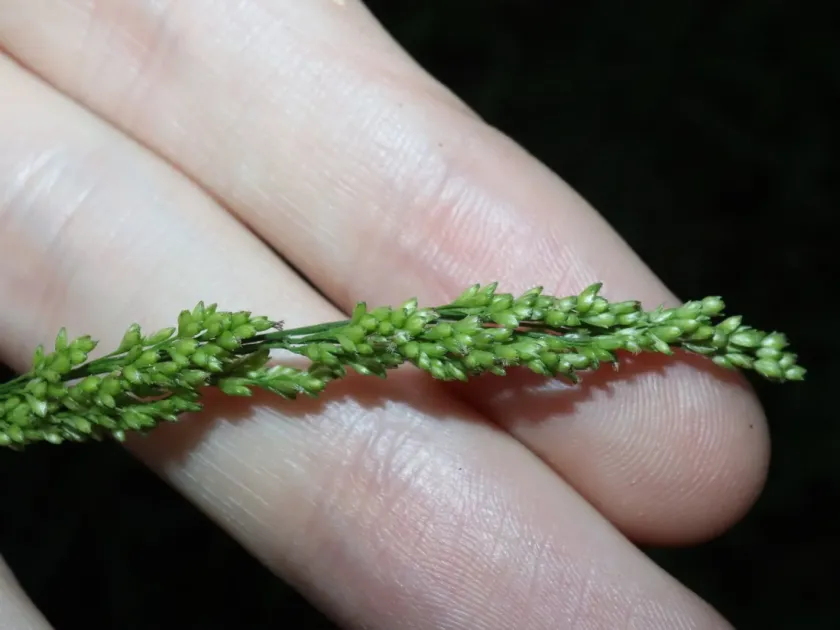
Description
Sowing dates
Cyrtococcum oxyphyllum is a tropical perennial grass that thrives when sown at the onset of the wet season or during periods of stable warmth.
The optimal soil temperature for germination is above 20°C, which ensures vigorous growth and consistent establishment of the seedling population.
Growers can utilize direct seeding techniques in well-tilled soil or transplant seedlings to optimize plant density across the agricultural plot.
Seeds should be covered with a thin layer of soil, no deeper than 1–2 centimeters, to allow adequate light exposure during the critical sprouting phase.
It is crucial to avoid planting when there is any risk of sudden temperature drops, as young plants are particularly sensitive to cold stress.
Growing requirements
As a member of the Poaceae family, this species requires a humid environment similar to its natural tropical and subtropical forest habitat.
The ideal soil should be well-drained but have high water-retention capacity to sustain growth during the fast-developing vegetative stages.
Full sun exposure is preferred for maximum biomass production, although the plant shows a degree of tolerance to partial shade conditions.
Maintaining a neutral to slightly acidic soil pH is recommended to ensure the efficient uptake of essential macronutrients and trace minerals.
Regular irrigation is necessary to support high yields, as the plant reacts quickly to water deficiency by slowing down its vegetative expansion.
Yield
The forage yield of Cyrtococcum oxyphyllum is heavily dependent on nutrient management, particularly nitrogen applications, and consistent hydration.
Under managed conditions, multiple harvests per season are possible, making it a highly productive choice for intensive livestock grazing systems.
The nutritional value of the green biomass remains high if harvesting is performed at the appropriate physiological stage of plant development.
Productivity can be significantly increased by applying organic fertilizers that improve soil structure and support a robust root system expansion.
Sustainable harvest strategies ensure that the pasture remains productive for several years, providing a reliable source of green matter.
Main diseases and pests
The primary threats to this grass include fungal pathogens that proliferate in stagnant water conditions or areas with poor air circulation.
Insect pests, including various aphids and leaf-chewing beetles, can impact yield if left unmanaged during the peak growth months.
Early detection of disease symptoms, such as irregular leaf spots or necrotic patches, is essential to prevent rapid spread across the field.
Effective weed control is critical during the establishment phase, as young plants struggle to compete with aggressive encroaching species.
- Leaf rust and fungal blights
- Root decay due to waterlogging
- Common tropical insect herbivores
Harvesting
Forage harvesting should occur before the plants reach the flowering stage to capture the highest density of proteins and digestible nutrients.
The cutting height is a vital management factor; leaving 5–7 centimeters of stubble promotes faster regrowth and long-term stand longevity.
After cutting, the biomass should be processed immediately for fresh feed or dried efficiently to prevent nutrient leaching and mold formation.
Timing the harvest according to the plant's growth cycle is the best practice for ensuring maximum yield efficiency throughout the season.
Post-harvest maintenance, including light raking and targeted fertilization, helps prepare the field for the next rapid growth phase.