
Cynodon incompletus
Cynodon incompletus
Description
Growing requirements
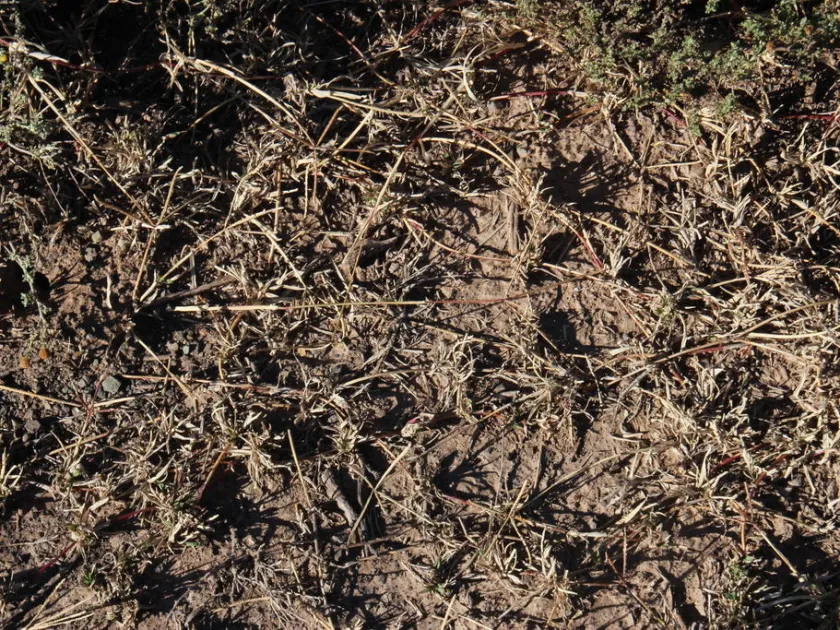
Cynodon incompletus is a perennial grass species belonging to the Poaceae family. Native to the southern regions of Africa, this plant has evolved to thrive in harsh environments, making it a highly resilient forage resource.
The plant is characterized by a vigorous system of rhizomes that allow it to spread effectively and recover quickly from grazing pressure. This vegetative propagation makes it an essential component for sustaining grassland productivity in semi-arid climates.
Light availability is a critical requirement for Cynodon incompletus. It is an obligate sun-loving plant that fails to thrive under shaded conditions, which is why site selection must prioritize open areas with maximum solar exposure throughout the growing season.
Regarding soil preferences, this species is well-adapted to sandy, well-drained soils. While it demonstrates high tolerance for nutrient-poor substrates, it will show significantly better growth and biomass accumulation with moderate nitrogen and phosphorus levels.
The management of this crop involves maintaining a balance between grazing intensity and plant recovery periods. Excessive overgrazing can deplete rhizome reserves, whereas undergrazing may lead to the encroachment of coarser, less palatable weed species.
Main diseases and pests
Diseases affecting Cynodon incompletus are generally linked to environmental stress factors, such as high humidity, which can promote the development of powdery mildew and rust fungi on the foliage.
Insect pests include various species of grasshoppers and aphids that target the succulent green shoots, potentially reducing the overall quality of the forage provided to livestock during the peak summer months.
Root-knot nematodes represent a significant underground threat, as they can impair the nutrient uptake efficiency of the grass and stunt its overall growth during critical moisture-limited periods.
In certain habitats, mites can become problematic, particularly when the grass is stressed by drought. These pests cause chlorosis and thinning of the sward, which reduces the photosynthetic capacity of the plants.
Effective management includes implementing a rotational grazing schedule and ensuring that the sward is not left in a saturated state for extended periods, as this mitigates most common fungal and pest-related risks.