
Cyrtococcum trigonum
Cyrtococcum trigonum
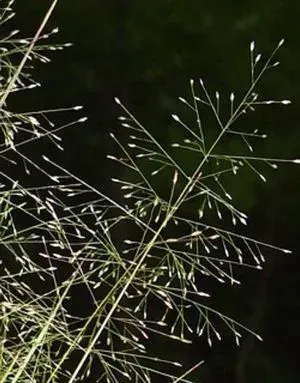
Description
Growing requirements
Cyrtococcum trigonum is a perennial grass species belonging to the Poaceae family, widely distributed in tropical and subtropical regions. It is well-adapted to shaded and moist environments, making it a common component of forest understories.
The plant exhibits a decumbent growth habit, with stems that often root at the nodes to form dense mats. This morphological characteristic helps the plant colonize damp ground efficiently, providing excellent soil cover in suitable habitats.
The species requires high levels of moisture and humidity to thrive. It is particularly well-suited for regions with significant annual rainfall, as it exhibits a high tolerance for consistently wet soil conditions that might be detrimental to other grasses.
In terms of soil requirements, this grass prefers fertile, loamy substrates that are rich in organic matter. While it is adapted to shaded conditions, it can also tolerate filtered sunlight in more open areas, provided the moisture levels remain adequate.
Climate tolerance is primarily limited to tropical conditions, as the species is highly sensitive to frost. It shows optimal vegetative growth during periods of high temperature and consistent rainfall, typical of monsoon or equatorial climates.
Yield
Cyrtococcum trigonum is recognized for its utility in grazing systems, particularly in regions where intensive pasture management is not the primary agricultural strategy. It provides a palatable forage source for ruminants.
The nutritional composition of the foliage makes it a valuable component of multispecies forage stands. Its soft texture enhances livestock intake, compared to coarser or more fibrous grass species found in the same tropical zones.
Agricultural management of this crop focuses on maintaining ground cover and preventing overgrazing. Since the plant spreads vegetatively through stolon-like stems, rotational grazing is recommended to ensure long-term pasture sustainability.
Regarding soil protection, the plant plays a crucial role in preventing surface erosion on sloped terrains. Its dense root network stabilizes the topsoil, which is particularly beneficial in areas prone to tropical downpours.
Although it is not typically harvested for hay due to its low-growing structure, its value in continuous grazing systems and as a bio-cover in agroforestry setups is well-documented in regional agricultural practices.