
Chascolytrum lamarckianum
Chascolytrum lamarckianum
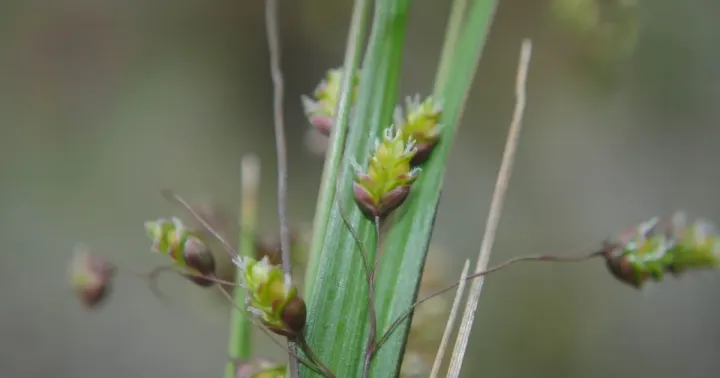
Description
Sowing dates
Chascolytrum lamarckianum is a perennial grass belonging to the Poaceae family. Sowing is best carried out in the spring, once the soil has reached a stable temperature, ensuring conditions conducive to rapid germination and root establishment.
Seeds should be planted at a shallow depth of approximately 1-2 centimeters. Proper contact with the soil is essential, so light harrowing or rolling after sowing is recommended to encourage even emergence of the seedlings.
For optimal results, it is advisable to ensure the field is free from competitive weeds before planting. Early weeding efforts are critical, as the young plants need access to light and nutrients to develop into a robust stand.
In regions with milder climates, late summer or early autumn sowing is also viable. This timing allows the grass to establish a strong root system before the onset of winter dormancy, providing a head start for the following spring.
Monitoring soil moisture levels during the first few weeks after sowing is crucial. Consistent but not excessive moisture will promote a healthy, uniform carpet of grass that can withstand later environmental pressures.
Growing requirements
This grass species thrives in open, sunny environments where it can maximize photosynthesis. While it shows good adaptability, it performs best in well-drained loamy soils that hold enough moisture without becoming waterlogged.
It prefers a neutral to slightly acidic soil pH. While it is not highly demanding, periodic applications of nitrogen-based fertilizers can significantly boost growth rates and improve the overall density of the green biomass.
Temperature-wise, Chascolytrum lamarckianum is quite resilient within temperate ranges. It is well-adapted to moderate climates, though it benefits from protection against extreme heat and severe, desiccating winds during the early stages of growth.
Water requirements are moderate. While the plant can survive short dry spells, supplemental irrigation during prolonged drought periods will help maintain its vitality, particularly if it is being cultivated for forage or ornamental purposes.
Good air circulation is vital for maintaining the health of the stand. Planting densities should be managed to ensure that individual plants do not become overcrowded, which helps in preventing various physiological issues.
Main diseases and pests
Like many grasses, this species is susceptible to fungal pathogens, particularly in humid or stagnant air conditions. Common threats include leaf spots and rusts that can compromise both the plant's health and its visual appeal.
Pests such as aphids and soil-dwelling insects can also impact productivity. Early detection through regular field scouting is the most effective way to manage these threats before they become a systemic issue.
Good agricultural practices, such as maintaining proper plant spacing and ensuring efficient drainage, serve as the primary line of defense against most biological threats, significantly reducing the need for chemical intervention.
If chemical controls are necessary, it is important to select products specifically labeled for use on grass crops, ensuring that applications are timed correctly to minimize environmental impact while maximizing efficacy.
Promoting overall plant vigor through balanced nutrition and proper site management makes the grass inherently more resistant to opportunistic pests and diseases throughout the growing season.
Harvesting
The timing of the harvest is critical and should occur during the heading stage. At this point, the plant has achieved a peak concentration of nutrients, making it ideal for high-quality forage production.
Mechanical harvesting equipment should be set to a height that allows for effective biomass collection without damaging the crown of the plant. This promotes better regrowth and ensures the long-term sustainability of the stand.
After mowing, the cut material should be managed to ensure proper curing. Turning the windrows allows for even drying, which is essential for preserving the nutritional quality and preventing spoilage during storage.
For ornamental purposes, harvesting of the inflorescences should be performed before the seeds begin to shed. This ensures the aesthetic appeal of the dried flower heads is maintained for decorative use.
Proper storage is mandatory. The harvested product must be kept in a cool, dry, and well-ventilated area to protect it from moisture, which can lead to mold development and loss of material quality.