
Chascolytrum subaristatum
Chascolytrum subaristatum
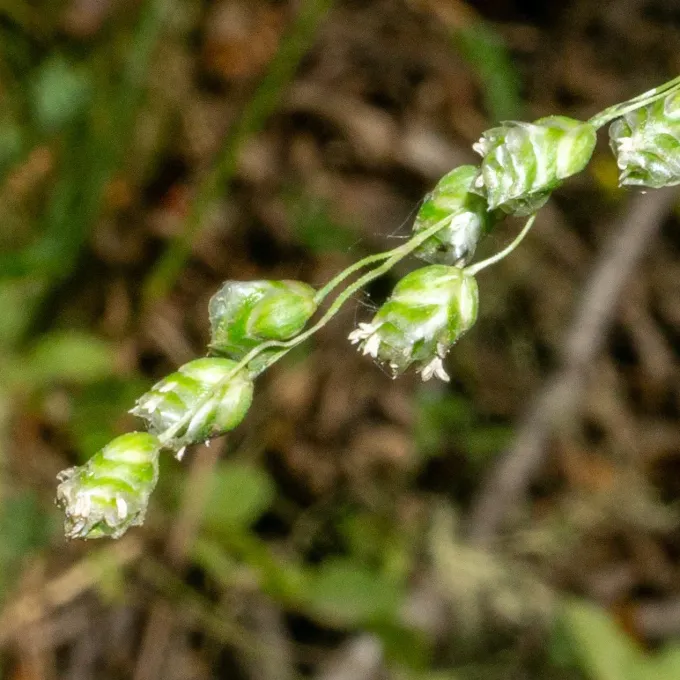
Description
Sowing dates
Sowing of Chascolytrum subaristatum is typically scheduled for the spring season once soil temperatures consistently exceed 10 degrees Celsius.
Precise seedbed preparation is vital, ensuring a fine tilth that allows small seeds to establish optimal contact with the soil for successful germination.
Seeds should be planted at a shallow depth of 1 to 2 centimeters, as deeper burial may prevent the emergence of young shoots due to limited energy reserves.
Standard agronomic practices include row planting with spacing of approximately 15 centimeters to facilitate aeration and resource distribution among plants.
Post-sowing rolling is highly recommended to improve soil moisture retention around the seeds, which significantly accelerates the establishment of the crop.
Growing requirements
Chascolytrum subaristatum is a perennial member of the Poaceae family, naturally adapted to environments with moderate moisture and temperate climates.
The plant thrives in loamy soil types that provide good water-holding capacity while ensuring sufficient oxygen exchange for the root system.
While the species prefers sunny locations, it demonstrates good tolerance for light shade, making it versatile for diverse pasture configurations.
Optimal growth is observed in neutral to slightly acidic soil conditions, which support the efficient uptake of essential macronutrients like phosphorus.
Regular fertilization, particularly nitrogen application, is essential for maintaining high biomass production throughout the growing season.
Yield
The productivity of Chascolytrum subaristatum is largely driven by seasonal rainfall patterns and the intensity of the soil fertility management program.
It is known for its excellent regrowth capacity, allowing it to withstand repeated grazing pressure and recover quickly during the active growing phase.
The nutritional profile of the plant is most favorable during the early heading stage, providing a high-quality forage option for various livestock.
Two to three harvests per season are possible under optimal conditions, provided that adequate moisture and soil nutrients are available.
By balancing grazing cycles or mowing intervals, producers can maximize both the volume of green mass and the quality of dry matter obtained.
Main diseases and pests
The plant can be susceptible to fungal diseases such as powdery mildew, especially in areas with stagnant air and consistently high humidity levels.
Poor soil drainage represents a significant threat, as it often leads to root rot diseases that can severely deplete the density of the grass stand.
Pests like aphids and certain species of cereal flies can infest the foliage, leading to stunted growth and reduced overall crop vigor if unchecked.
Integrated pest management strategies are recommended, focusing on maintaining strong crop health through appropriate nutrient and moisture levels.
Maintaining clear field borders and preventing the buildup of host weeds can significantly reduce the pressure from common cereal-related diseases.
Harvesting
Harvesting for hay should ideally occur at the onset of the heading stage to capture the highest nutrient density before structural carbohydrates increase.
Using specialized mowing equipment ensures minimal loss of valuable leaf material, which is critical for maintaining the protein content of the forage.
Proper curing techniques, including turning the swaths to allow for even drying, prevent issues like mold and preserve the green color of the hay.
For seed production, harvesting must be timed carefully to occur just before the natural shattering of seeds to avoid significant yield losses in the field.
Storage of the finished product must prioritize low-moisture environments to ensure long-term stability and palatability for livestock consumption.