
Castellia tuberculosa
Castellia tuberculosa
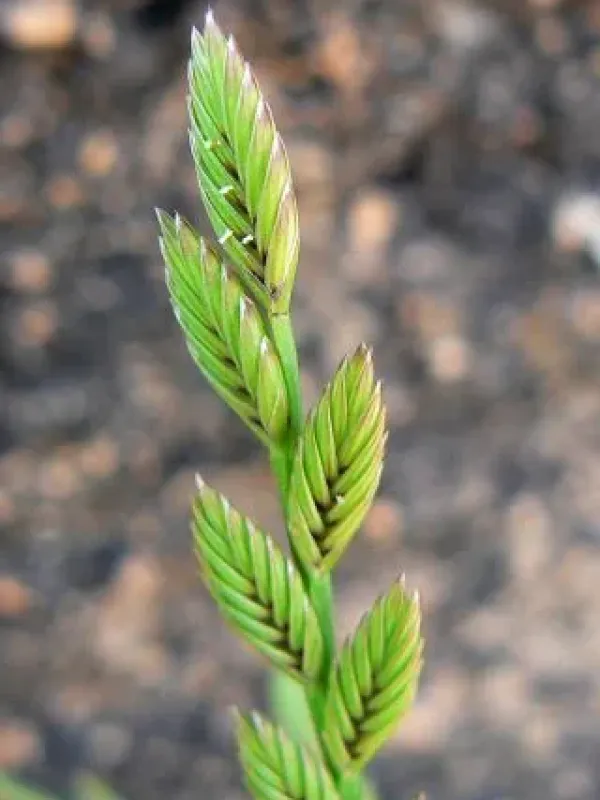
Description
Sowing dates
Castellia tuberculosa is an annual grass species belonging to the Poaceae family. Its biological cycle is adapted to Mediterranean-type climates, where seeds typically germinate during the autumn and winter months to take advantage of seasonal rainfall.
For successful cultivation, seeds should be sown at a shallow depth to ensure they receive sufficient warmth for germination. The seeds are small and possess limited energy reserves, making proper soil contact essential for rapid establishment.
The optimal sowing window is usually right before the onset of the rainy season. This timing ensures that the soil remains moist during the sensitive germination phase, allowing the roots to penetrate deep enough to survive initial dry spells.
A balanced sowing rate is critical to prevent overcrowding, which can lead to competition for nutrients and increased susceptibility to fungal diseases. Proper spacing allows for adequate airflow throughout the canopy of the grass.
Monitoring the soil temperature is also vital, as cold soil can delay emergence and weaken the seedlings. Once established, the plants grow rapidly as spring temperatures begin to rise, following their natural phenological timeline.
Growing requirements
This species thrives in specific ecological niches, often showing a preference for calcareous or slightly saline soils. Its ability to tolerate salinity makes it an interesting candidate for reclaiming degraded lands in arid and semi-arid zones.
Castellia tuberculosa requires high light intensity for optimal photosynthesis and development. Shaded conditions or dense competition from other vegetation will result in weak, etiolated growth and reduced biomass production.
The plant has moderate water requirements and is capable of enduring short periods of drought. However, consistent moisture during the vegetative growth phase is necessary to maximize forage quality and total green mass.
Soil structure should be well-drained, as waterlogging can cause root rot and significantly inhibit plant growth. Light-textured soils with good aeration promote the development of a robust and healthy root system.
Temperature sensitivity is a key factor; the plant is not highly frost-resistant and performs best in climates with mild winters. Sudden, extreme temperature drops during active growth can cause significant damage to the foliage.
Main diseases and pests
Common threats to the crop include various fungal pathogens such as rusts and leaf spots, which thrive in high humidity. Maintaining healthy soil conditions and ensuring good drainage are the primary ways to reduce infection risks.
Pests like cereal flies and aphids can cause damage during the active growing season. Regular field scouting is necessary to identify infestations early and prevent them from impacting the overall yield.
Weed competition is particularly detrimental in the early stages of the plant's life cycle. Mechanical weeding or careful site preparation prior to sowing is essential to give the crop a competitive advantage.
Environmental stressors, including strong winds or extreme temperature fluctuations, can weaken the plants. A robust, healthy stand of grass is naturally more resilient to minor biological and physical disturbances.
Root rots are a concern when the crop is cultivated in improperly drained soils. Avoiding over-fertilization with nitrogen, which can create dense, succulent growth, also helps in preventing disease outbreaks.
Harvesting
For forage purposes, the crop should be harvested before the stems become overly lignified. Cutting the plants in the pre-flowering or early flowering stage ensures the highest nutritional value, particularly protein content.
Seed harvesting should be timed when the seeds reach the hard dough stage to minimize pre-harvest shattering losses. Using machinery adjusted for small seeds is critical to collecting an efficient volume of high-quality grain.
Post-harvest processing involves drying the seeds in well-ventilated areas to prevent spoilage and maintain high viability. Proper airflow is essential to remove residual moisture from the seed batch.
Storage facilities must be kept cool, dry, and free from pests. Using hermetic storage containers can further protect the seeds from humidity and external contamination during the off-season.
Cleaning the seed crop to remove debris and unwanted plant matter is the final step in preparing the harvest. A clean, uniform seed lot ensures consistent results and high germination rates in future planting cycles.