
Northern mannagrass
Glyceria septentrionalis
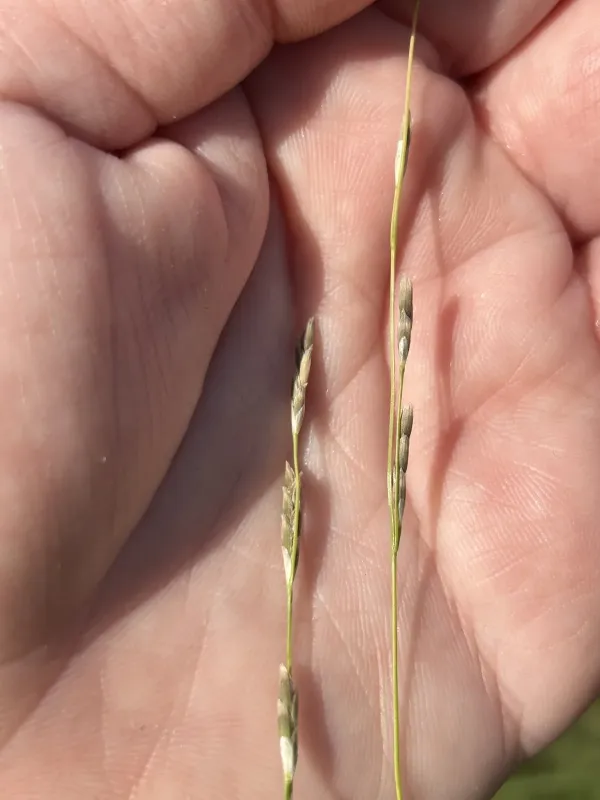
Description
Sowing dates
Sowing Northern mannagrass is typically conducted in early spring when soil moisture is at its peak. This timing allows the seeds to benefit from the natural stratification process, which significantly improves germination rates in field conditions.
Seeds should be planted at a shallow depth of 1 to 2 centimeters. Because the species naturally thrives in wet, silt-rich environments, covering the seeds too deeply can lead to hypoxia and reduced seedling emergence, especially in clay-heavy soils.
Utilizing high-quality, cleaned seed material is crucial for establishing a uniform stand. Removing empty glumes and debris ensures better flow through planting equipment and prevents the introduction of unwanted weed seeds into the plot.
The seeding rate must be adjusted based on the specific hydrology of the site. In saturated or periodically flooded areas, a slightly higher seeding rate is recommended to establish a robust stand that can quickly outcompete invasive hydrophytes.
Fall sowing is also a viable option in northern regions. Planting before the first frost ensures that seeds remain dormant over winter, ready to germinate immediately as temperatures rise, providing a competitive edge over early-season weeds.
Growing requirements
Northern mannagrass, or Glyceria septentrionalis, is a hardy perennial grass of the Poaceae family, specifically adapted to wetland environments. It is a key species in riverbanks, marshes, and periodically inundated meadows, showing remarkable tolerance to water saturation.
The plant thrives in fertile, loamy, or organic-rich soils. Its ability to withstand prolonged submergence sets it apart from traditional forage grasses, allowing farmers to utilize land that would otherwise be unproductive due to chronic wetness or seasonal flooding.
The extensive root system of the plant serves a dual purpose: stabilizing the substrate and facilitating nutrient uptake in anaerobic conditions. This makes Northern mannagrass an excellent choice for erosion control in riparian areas while providing a sustainable forage resource.
Temperature tolerance is a hallmark of this species, as it is well-adapted to northern climates with short growing seasons. However, to achieve maximum biomass production, the crop requires full sun exposure during the vegetative phase to support vigorous tillering.
Agricultural management requires careful attention to the site's hydroperiod. While the plant loves water, extreme stagnation combined with high nutrient loading can sometimes lead to localized fungal outbreaks, necessitating proper site drainage management.
Yield
The yield of Northern mannagrass is primarily determined by soil fertility and the frequency of water-borne nutrient deposition. In favorable growing conditions, the crop produces dense, lush biomass that is highly palatable to livestock.
Typical yields can range significantly based on management intensity. When cultivated in managed wetlands or on fertile alluvial soils, the plant can produce substantial amounts of green fodder, making it a reliable component of a forage-based livestock system.
To optimize biomass output, regular harvesting at the boot stage is essential. Delaying harvest until the plant reaches maturity results in increased lignin content, which decreases the nutritional value and palatability of the hay or silage.
The nutritional profile of this grass includes a favorable protein content and high mineral availability. Livestock producers value the crop for its digestibility, which contributes to healthy weight gain in grazing cattle and other small ruminants.
Monitoring the dry matter yield throughout the growing season helps in adjusting fertilization programs. By maintaining an optimal nutrient balance, farmers can maximize the productivity of these wetland areas without causing environmental degradation.
Main diseases and pests
Fungal pathogens, particularly rust species and various leaf spots, are the primary threats to Northern mannagrass stands. These issues are most prevalent in humid, enclosed environments with stagnant air, where moisture levels on foliage remain high.
Insects like the cereal leaf beetle or various stem-boring larvae may cause occasional damage, though the plant's natural resilience often limits significant yield losses. Integrated pest management strategies focus on maintaining stand vigor to naturally suppress pest damage.
Invasive species competition represents a significant challenge for new plantings. Aggressive hydrophytes can quickly colonize wet plots, necessitating timely mechanical control, such as mowing, to give the Northern mannagrass the space needed to establish.
Environmental changes, such as unexpected prolonged drought, are detrimental to the species, causing reduced vigor and opening the stand to colonization by less desirable, drought-tolerant weeds. Maintaining consistent site hydrology is the best protection against this risk.
Preventative care is centered on using resistant cultivars and avoiding overgrazing. By keeping the stand at an appropriate height, the crop maintains its competitive advantage and remains robust against disease and environmental stressors.
Harvesting
Harvesting Northern mannagrass should occur during the late boot or early flowering stage. This timing captures the highest levels of digestible protein and energy while keeping fiber content at manageable levels for livestock consumption.
Due to the often soft and marshy terrain, machinery selection is critical. Lightweight, low-ground-pressure equipment is preferred to prevent soil compaction and damage to the root mats, which can hinder plant regrowth for the next season.
Drying hay from this species is challenging due to the inherent moisture of its habitat. Forced-air drying or creating silage/haylage are the most effective methods to ensure high-quality feed storage and prevent spoilage from residual moisture.
Silage production is particularly well-suited for this crop. Because the biomass is naturally high in moisture, it undergoes excellent fermentation when processed correctly, resulting in a nutrient-dense feed that retains quality throughout the winter months.
The final harvest of the season must be timed to allow the plants to replenish root energy reserves before the first hard frost. A late-season resting period is vital for winter survival and ensuring rapid, uniform green-up in the following spring.