
Australian lovegrass
Eragrostis australasica
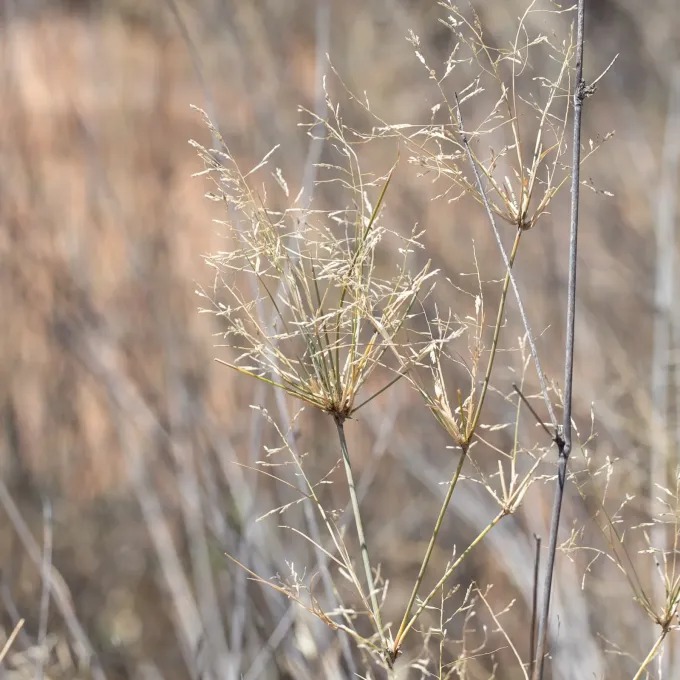
Description
Growing requirements
Australian lovegrass (Eragrostis australasica) is a perennial grass species belonging to the Poaceae family. Native to the arid and semi-arid regions of Australia, this plant has evolved to survive in some of the most challenging environmental conditions on the continent.
The botanical profile of this species includes a deep and robust root system designed to access limited water resources. Its physiological mechanisms allow it to maintain metabolic processes during prolonged dry spells, which is a critical trait for sustainable vegetation in desert-fringe environments.
Regarding soil requirements, the plant thrives in well-drained, sandy or light-textured soils. It possesses a high tolerance for salinity, enabling it to persist on soils that would be unsuitable for more sensitive forage varieties, thus expanding the potential for land utilization in saline-affected areas.
Climate adaptability is the hallmark of Eragrostis australasica, as it is perfectly suited for high-temperature regimes. It utilizes C4 photosynthesis pathways to optimize growth under intense solar radiation, ensuring biomass production even when other grasses might enter dormancy or perish.
In terms of practical application, it is primarily valued for land rehabilitation and as a hardy component of extensive grazing systems. It provides essential ground cover, reducing soil erosion and offering a reliable, albeit slow-growing, source of forage in regions with highly variable rainfall patterns.