
Austroderia splendens
Austroderia splendens
Description
Sowing dates
Propagation of Austroderia splendens is typically achieved through seeds sown in early spring. Seeds require a light, well-draining germination medium and stable temperatures to ensure successful sprouting.
Seedlings should be hardened off before being transplanted into their permanent location to avoid thermal shock and promote better establishment in the field.
For vegetative propagation, mature clumps can be divided in early spring just as new growth begins. This ensures that the root system has sufficient time to recover before the peak summer heat.
Spacing is a critical factor; as a robust clumping grass, Austroderia requires ample room to expand without competing for nutrients or light.
Adequate water must be provided immediately after transplanting to settle the soil around the roots and prevent air pockets that might hinder early development.
Growing requirements
Austroderia splendens, a member of the Poaceae family, is a magnificent perennial grass native to New Zealand, known for its elegant, plume-like inflorescences.
The plant thrives in fertile, well-draining soils with a neutral pH, and it is particularly well-suited to open, sunny landscapes where it can receive maximum light.
Climatically, it prefers regions with mild winters and moderate humidity, though it shows impressive resilience to temporary dry spells once its root system is deeply established.
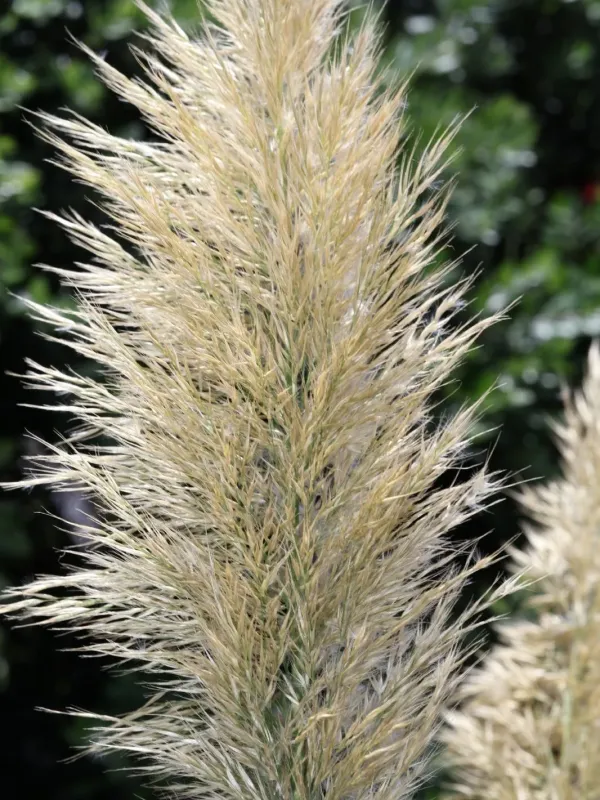
Botanic characteristics include long, arching leaves with sharp edges and tall, feathery flower spikes that remain decorative well into the autumn season.
Proper drainage is the most vital requirement for this species; it will not tolerate waterlogged conditions which often lead to root rot during dormant months.
Main diseases and pests
While generally robust, Austroderia splendens can face issues with fungal pathogens if planted in areas with poor air circulation or excessive soil moisture.
Pests are generally minimal; however, red spider mites may occur during hot, dry periods, requiring monitoring and possibly biological control measures.
The accumulation of dead foliage at the base of the plant can create an environment conducive to pests and mold, which is why annual pruning is recommended.
Mechanical damage to the leaves can leave entry points for minor infections, so maintenance tasks should be performed with appropriate care to keep the plant healthy.
Maintaining a healthy, vigorous plant through optimal nutrient balance often serves as the best defense against minor environmental stressors and potential pathogens.