
Arundinella hirta
Arundinella hirta (Thunb.) Koidz.
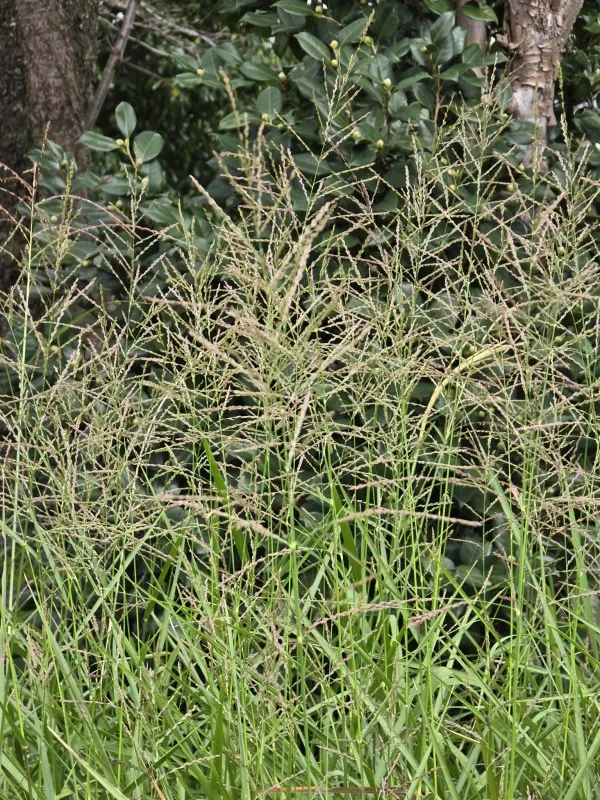
Description
Sowing dates
Arundinella hirta is a perennial grass species belonging to the Poaceae family. In its natural habitat, the plant regenerates from seeds that fall into the soil in late autumn.
For agricultural purposes, sowing is typically carried out in late spring once soil temperatures reach stable levels. The seeds are small and should be placed at a shallow depth.
A sowing rate should be chosen to provide uniform coverage, taking into account the germination potential of the seeds. Proper seedbed preparation is essential for successful establishment.
The establishment period of Arundinella hirta is relatively slow as the plant invests significant energy into developing its root system during the first year.
Row planting with sufficient spacing is recommended to ensure that seedlings have adequate access to light and nutrients while reducing inter-plant competition.
Growing requirements
This grass species is highly adaptable to various environmental conditions. It is known for its preference for sunny areas and thrives in open, well-lit spaces.
Regarding soil conditions, Arundinella hirta prefers well-drained, slightly acidic to neutral soils. It can tolerate poorer soil quality, making it a robust crop.
Water requirements are moderate. While it can withstand periods of dry weather, consistent soil moisture during the growing season significantly boosts biomass production.
The plant is resilient to temperature fluctuations and can survive cold winters by entering a period of dormancy, re-sprouting from rhizomes in the spring.
It is important to avoid waterlogged conditions, as prolonged saturation of the root zone can hinder growth and lead to the degradation of the plant stand.
Yield
The primary agricultural utility of Arundinella hirta lies in its use as forage for livestock. It provides a reliable source of green matter during the summer.
Biomass yield is influenced by soil fertility and the timing of management practices. Fertilization, particularly nitrogen application, can improve total yield significantly.
Productivity is highest when the plant is managed in a way that allows for recovery between cuts or grazing sessions, ensuring longevity of the pasture.
Nutritional value is optimal if the harvest takes place before the plant enters the reproductive phase, keeping the stems soft and palatable for cattle.
As a perennial crop, it offers the benefit of long-term soil cover and sustained yields, reducing the need for annual tillage and seedbed preparation.
Main diseases and pests
Arundinella hirta is generally resistant to many common agricultural diseases. It is rarely affected by widespread fungal infections that plague other cereal crops.
However, in environments with poor air circulation, humidity can cause localized fungal spots on the foliage, which generally does not affect total yield.
Insects like aphids or grass-eating flies might occasionally attack young shoots, but damage is usually minimal and rarely requires chemical intervention.
Integrated pest management, including timely mowing and maintaining healthy soil conditions, is usually sufficient to manage any potential pest pressures.
Vigilance is only necessary during the seedling phase, where weed competition and potential pest damage are more likely to have an impact on the final stand density.
Harvesting
The ideal harvest time for forage is at the beginning of the blooming stage. This provides the best nutritional profile and ensures high palatability for livestock.
Mowing equipment should be set to leave enough stubble for the plant to recover. Cutting too close to the ground can weaken the root system and reduce productivity.
For hay production, cut grass should be windrowed and allowed to dry in the field under consistent weather conditions to prevent spoilage.
Seed harvesting requires waiting until the seed heads are fully mature and turn a straw-like color, indicating that the seeds have reached maximum viability.
Post-harvest processing involves cleaning and drying the seeds to ensure they can be stored without risk of rot or loss of germination quality.